






 Trang Chủ
 Các sản phẩm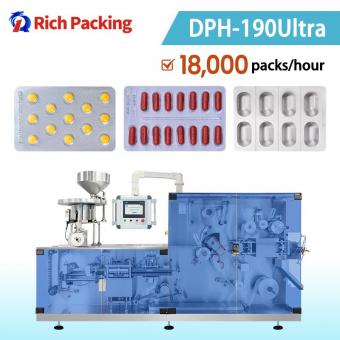
29+ years in pharmaceutical machinery, covering capsule filling, tablet pressing, blister packaging, tablet and capsule counting, cartoning, GMP production, and overseas machine service.

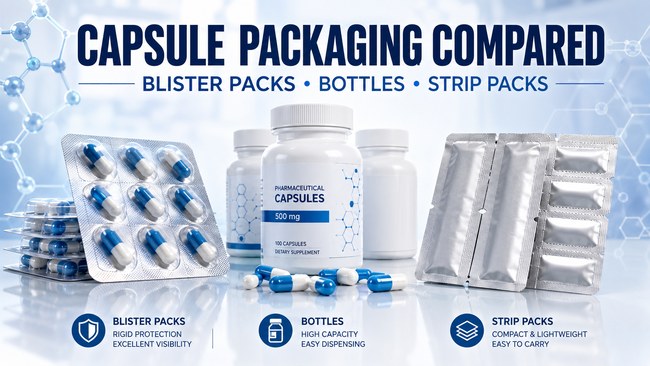
Việc lựa chọn bao bì dạng viên nang là một quyết định kinh doanh thực tế, không chỉ là lựa chọn thiết kế bao bì. Vỉ, chai và gói dải đều bảo vệ viên nang, nhưng chúng tạo ra các kết quả khác nhau về thời hạn sử dụng, chi phí vật liệu, tốc độ sản xuất, bố trí dây chuyền và trải nghiệm người dùng. Một định dạng phù hợp với một loại thực phẩm bổ sung, sản phẩm OTC hoặc viên nang dược phẩm có thể kém hiệu quả hoặc tiềm ẩn rủi ro đối với sản phẩm khác.
Bài so sánh này xem xét từng giải pháp thông qua các yếu tố quan trọng trong sản xuất thực tế: khả năng bảo vệ chống ẩm, tính linh hoạt của SKU, không gian dán nhãn, khả năng tương thích với máy móc, bao bì thứ cấp và ứng dụng thị trường. Mục tiêu là giúp các đội ngũ lựa chọn giữa vỉ, chai và gói dải trước khi đầu tư vào khuôn, vật liệu hoặc thiết bị.
Bao bì viên nang ảnh hưởng đến thời hạn sử dụng vì mỗi định dạng kiểm soát độ ẩm, oxy, ánh sáng và sự tiếp xúc của người dùng theo những cách khác nhau. Vỉ niêm phong viên nang trong các ô riêng biệt, vì vậy mỗi liều dùng được bảo vệ cho đến khi được mở ra. Chai chứa nhiều viên nang trong cùng một hộp, vì vậy khả năng bảo vệ phụ thuộc nhiều hơn vào vật liệu chai, lớp niêm phong cảm ứng, chất hút ẩm và tần suất người dùng mở chai. Gói dải có thể cung cấp khả năng bảo vệ mạnh bằng lớp ghép lá kim loại, nhưng thường có khả năng quan sát sản phẩm thấp hơn và ít không gian hơn cho thông tin in ấn.
Nó cũng ảnh hưởng đến chi phí vì mỗi giải pháp sử dụng các loại vật liệu, khuôn và logic chuyển đổi khác nhau. Vỉ thường cần khuôn định hình, lá nhôm phủ, hộp carton và các lần thay đổi định dạng được lên kế hoạch. Chai cần nắp, lớp niêm phong, chất hút ẩm, nhãn và khả năng đếm chính xác, nhưng có thể hỗ trợ nhiều kích thước số lượng với cùng một khái niệm bao bì cơ bản. Gói dải có thể nhỏ gọn và bảo vệ tốt, trong khi cấu trúc màng, khả năng kiểm soát hàn kín và độ chính xác khi cắt vẫn ảnh hưởng đến tổng chi phí sản xuất.
Kế hoạch sản xuất cũng thay đổi. Định dạng phù hợp quyết định liệu nhà máy cần một máy đóng gói vỉ cho viên nang hay dây chuyền đếm và đóng chai viên nang, hoặc máy đóng gói dạng dải cho viên nang. Nó cũng ảnh hưởng đến các điểm kiểm tra, vị trí in mã, đóng hộp carton, dán nhãn và bao bì thứ cấp. Đó là lý do nên lựa chọn bao bì viên nang dựa trên rủi ro sản phẩm và mục đích sử dụng trên thị trường trước, sau đó mới kết hợp với giải pháp máy móc.
Đối với các dòng sản phẩm dược phẩm, thực phẩm bổ sung và sản phẩm chăm sóc sức khỏe, vỉ mang lại khả năng quan sát theo liều đơn vị, chai mang lại sự linh hoạt về số lượng, còn gói dải mang lại khả năng bảo vệ nhỏ gọn bằng lớp chắn.
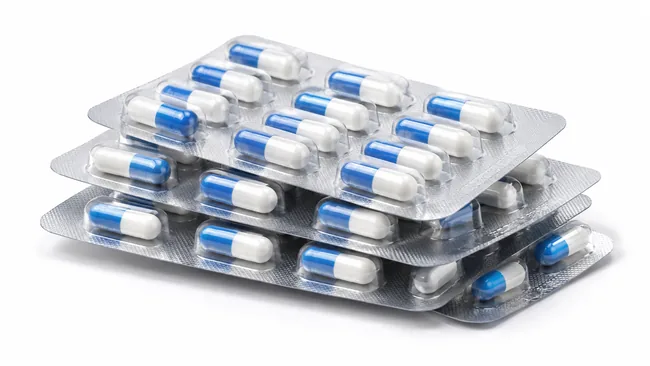
Vỉ giữ mỗi viên nang trong một ô riêng biệt, thường được tạo hình từ PVC, PVC phủ PVDC, Aclar, PET hoặc vật liệu gốc nhôm, sau đó được hàn kín bằng lá nhôm phủ. Đối với các viên nang cần sự sắp xếp liều dùng đơn vị rõ ràng, bao bì dạng vỉ thường là định dạng phù hợp cho bán lẻ và tuân thủ quy định.
Vỉ hoạt động tốt khi mỗi viên nang cần được giữ tách biệt cho đến khi sử dụng. Điều này giúp giảm việc tiếp xúc lặp lại với phần sản phẩm còn lại và giúp người dùng dễ theo dõi lượng dùng hằng ngày hơn. Cấu trúc vỉ nhựa trong suốt cũng cho phép hình dạng và màu sắc viên nang được nhìn thấy, giúp cải thiện khả năng nhận diện sản phẩm trên kệ.
Các giải pháp vật liệu phổ biến bao gồm bao bì vỉ Alu-PVC, bao bì vỉ phủ PVDC và bao bì vỉ Alu-Alu. Alu-PVC thường được sử dụng khi kiểm soát chi phí và khả năng bảo vệ cơ bản là đủ. Cấu trúc phủ PVDC cung cấp khả năng bảo vệ chống ẩm mạnh hơn PVC tiêu chuẩn. Bao bì vỉ Alu-Alu thường được cân nhắc khi viên nang nhạy cảm hơn với độ ẩm, oxy hoặc ánh sáng.
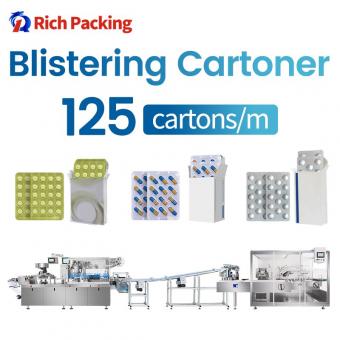
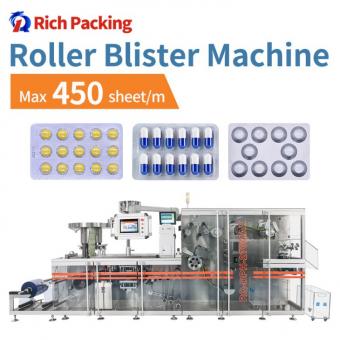
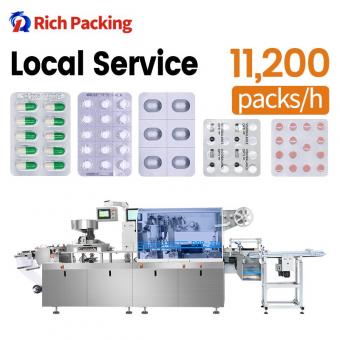
Trong kế hoạch sản xuất, vỉ cần được chú ý nhiều hơn đến độ sâu tạo hình, khu vực hàn kín, vị trí in mã và đóng hộp carton ở công đoạn sau. Máy đóng gói vỉ viên nang cần phù hợp với kích thước viên nang, cấu trúc lá nhôm, bố cục thẻ, mã lô và kế hoạch bao bì thứ cấp.
Các điểm chính cần kiểm tra trước khi chọn vỉ:
Vỉ là lựa chọn tốt khi sản phẩm cần định dạng bán lẻ chuyên nghiệp, bảo vệ theo liều đơn vị và khả năng kiểm soát rõ ràng cho người dùng. Chúng kém hấp dẫn hơn khi thương hiệu cần kích thước số lượng rất linh hoạt hoặc thường xuyên thay đổi SKU theo lô nhỏ.
Đóng gói bằng chai đặt nhiều viên nang vào một hộp chứa, thường đi kèm nắp vặn, lớp niêm phong cảm ứng, chất hút ẩm, bông hoặc chất độn và nhãn. Đây là phương pháp phổ biến cho thực phẩm bổ sung, sản phẩm dinh dưỡng, sản phẩm OTC và một số sản phẩm kê đơn hoặc cung cấp tại phòng khám.
Ưu điểm lớn nhất của chai là tính linh hoạt. Giải pháp chai có thể hỗ trợ sản phẩm 30 viên, 60 viên, 90 viên hoặc 120 viên mà không cần thay đổi toàn bộ khái niệm đóng gói. Chai cũng cung cấp nhiều không gian nhãn hơn cho thông tin bổ sung, cảnh báo, hướng dẫn liều dùng, mã vạch, thương hiệu và thông tin đa ngôn ngữ.
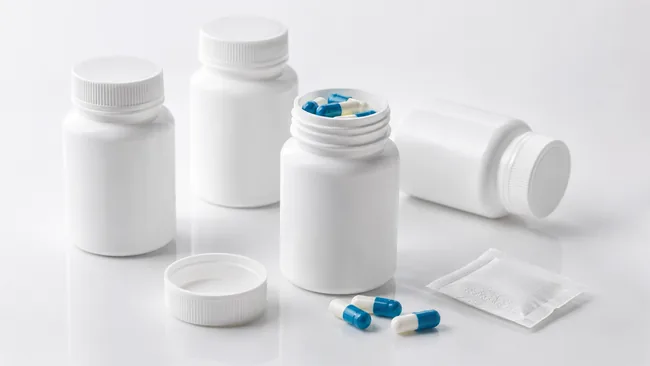
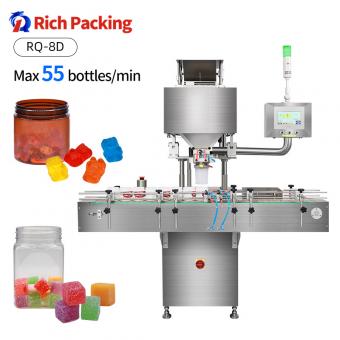
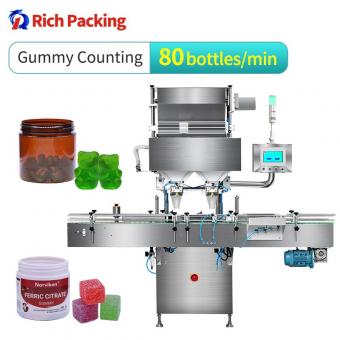
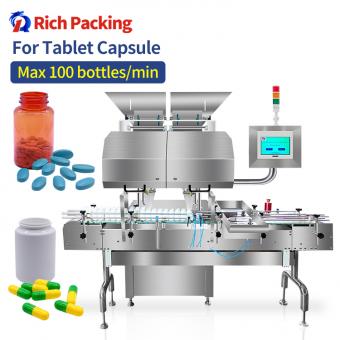
Giải pháp chai phụ thuộc nhiều vào khả năng đếm chính xác và tích hợp dây chuyền ổn định. Máy đếm viên nén và viên nang phải đếm chính xác với các màu sắc, kích thước và bề mặt viên nang khác nhau. Một dây chuyền đóng chai viên nang hoàn chỉnh có thể bao gồm cấp chai, đếm, đưa chất hút ẩm vào, đóng nắp, niêm phong cảm ứng, dán nhãn, in mã và kiểm tra cuối cùng.
Đối với sản phẩm viên nang có nhiều SKU, giải pháp chai hấp dẫn vì số lượng, kích thước chai, loại nắp và thiết kế nhãn có thể được điều chỉnh mà không thay đổi toàn bộ khái niệm đóng gói. Các dây chuyền đếm và đóng chai viên nang của Rich Packing được thiết kế cho môi trường sản xuất định hướng GMP, với hỗ trợ tuân thủ liên quan đến CE, ISO và cGMP được thể hiện trong thiết kế máy, lựa chọn vật liệu, hệ thống bảo vệ và chức năng kiểm tra. Đối với các nhà máy đóng gói viên nang cho thị trường quản lý chặt chẽ hoặc xuất khẩu, nền tảng chứng nhận đó quan trọng không kém tốc độ đếm.
Điểm yếu chính của chai là sự tiếp xúc với độ ẩm sau khi mở. Khi chai được mở, tất cả viên nang dùng chung cùng một khoảng không gian phía trên và môi trường thao tác của người dùng, vì vậy việc lựa chọn chất hút ẩm, vật liệu chai và chất lượng niêm phong trở nên quan trọng.
Các điểm chính cần kiểm tra trước khi chọn chai:
Chai là lựa chọn thực tế khi tính linh hoạt, truyền tải thông tin trên nhãn và bán hàng theo số lượng là yếu tố quan trọng. Chúng kém phù hợp hơn khi công thức viên nang cần được bảo vệ riêng biệt cho đến thời điểm sử dụng.
Gói dải niêm phong viên nang giữa các lớp vật liệu mềm dẻo, thường là lớp ghép lá nhôm. Khác với vỉ trong suốt, viên nang thường không nhìn thấy được. Điểm mạnh của bao bì dạng dải là khả năng bảo vệ bằng lớp chắn và phân phối theo liều đơn nhỏ gọn.
Gói dải hữu ích khi sản phẩm cần lớp chắn mạnh chống lại độ ẩm, oxy hoặc ánh sáng. Chúng cũng phù hợp cho gói phòng khám, gói du lịch, mẫu thử và định dạng số lượng nhỏ. Bao bì mỏng và nhỏ gọn nên có thể được đóng chung vào hộp carton hoặc phân phối với số lượng nhỏ.
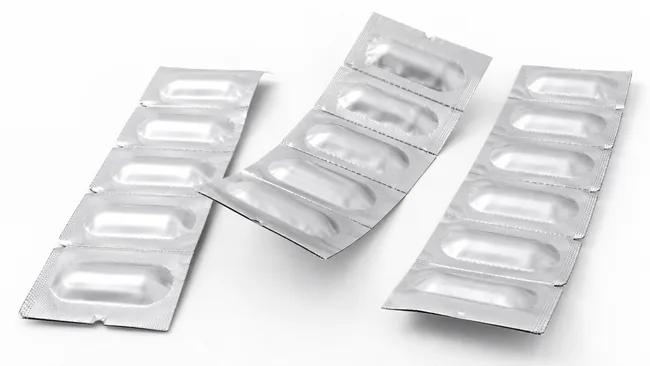
Sự đánh đổi nằm ở trải nghiệm người dùng và không gian in ấn. Vì viên nang thường được giấu bên trong gói dải, người dùng không thể kiểm tra trước khi mở. Mỗi dải cũng có không gian hạn chế cho thông tin chi tiết, vì vậy bao bì thứ cấp thường chứa toàn bộ nhãn, hướng dẫn, cảnh báo và thông tin lô sản xuất.
Máy đóng gói dạng dải cho viên nang phải xử lý việc định hướng viên nang, nhiệt độ hàn, áp suất và cắt mà không làm nghiền nát hoặc biến dạng sản phẩm. Trải nghiệm mở gói cũng cần được kiểm tra để gói bảo vệ tốt nhưng vẫn có thể xé sạch dễ dàng.
Gói dạng dải phù hợp với các sản phẩm mà việc định lượng nhỏ gọn được niêm kín quan trọng hơn việc trưng bày bán lẻ trong suốt.
Giải pháp đóng gói viên nang tốt nhất phụ thuộc vào cách sản phẩm hoạt động và cách thị trường sử dụng sản phẩm. Phần so sánh dưới đây cung cấp góc nhìn quyết định nhanh trước khi đánh giá sâu hơn về độ ổn định, chi phí hoặc thiết bị.
|
Yếu tố |
Gói vỉ |
Chai |
Gói dạng dải |
|
Điểm mạnh chính |
Khả năng nhìn thấy liều đơn vị và sử dụng có kiểm soát |
Số lượng linh hoạt và diện tích nhãn lớn |
Định dạng liều đơn nhỏ gọn với khả năng chắn bảo vệ cao |
|
Bảo vệ chống ẩm |
Tốt đến xuất sắc, tùy thuộc vào vật liệu |
Phụ thuộc vào chai, lớp niêm phong, chất hút ẩm và cách người dùng xử lý |
Thường có khả năng bảo vệ tốt khi chọn màng ghép nhôm |
|
Khả năng nhìn thấy sản phẩm |
Cao với cấu trúc vỉ trong suốt |
Chỉ nhìn thấy sau khi mở |
Thường không nhìn thấy |
|
Tính linh hoạt của SKU |
Trung bình; thay đổi khuôn và bố cục có ảnh hưởng |
Cao; thay đổi số lượng và nhãn dễ dàng hơn |
Trung bình; chiều dài gói và thay đổi in ấn có ảnh hưởng |
|
Giải pháp máy điển hình |
Máy đóng gói vỉ Alu-PVC hoặc máy đóng gói vỉ Alu-Alu |
Máy đếm viên nang, máy đóng nắp, máy niêm phong, máy dán nhãn và nhiều thiết bị khác |
Máy đóng gói dạng dải cho viên nang |
|
Phù hợp nhất với |
Gói bán lẻ, sản phẩm OTC, định dạng liều dùng hằng ngày |
Thực phẩm bổ sung, sản phẩm dinh dưỡng và sản phẩm tính theo số lượng |
Sản phẩm nhạy ẩm hoặc sản phẩm phân phối nhỏ gọn |
Gói vỉ bán sự rõ ràng, chai bán tính linh hoạt, còn gói dạng dải bán khả năng bảo vệ. Câu hỏi tốt hơn là giải pháp nào hỗ trợ độ ổn định của sản phẩm, định vị thị trường, thói quen người dùng và kế hoạch sản xuất với ít sự đánh đổi nhất.
Một quyết định đóng gói tốt nên bắt đầu từ rủi ro của sản phẩm đến cách sử dụng trên thị trường, sau đó đến việc lập kế hoạch máy móc. Chọn bao bì trước rồi mới kiểm tra độ ổn định hoặc sự phù hợp của dây chuyền sau có thể tạo ra chi phí không cần thiết.
Hãy bắt đầu với rủi ro về độ ẩm và độ ổn định. Viên nang có thể nhạy cảm với độ ẩm vì vỏ gelatin, vỏ HPMC, bột, hạt nhỏ và dạng lỏng bên trong phản ứng khác nhau trong điều kiện bảo quản. Nếu dữ liệu độ ổn định cho thấy có rủi ro về độ ẩm, hãy so sánh cấu trúc gói vỉ, hệ thống chất hút ẩm trong chai và gói dạng dải màng ghép nhôm trước khi cố định thiết kế.
Sau đó hãy kết hợp bao bì với hành vi người dùng. Sản phẩm dùng hằng ngày được hưởng lợi từ việc tách riêng và dễ theo dõi. Thực phẩm bổ sung cỡ gia đình thường phù hợp hơn với chai. Mẫu dùng khi đi du lịch hoặc tại phòng khám có thể phù hợp hơn với dạng dải. Bao bì nên giảm trở ngại cho người dùng, không chỉ bảo vệ sản phẩm trong kho.
Chi phí nên được đánh giá như một giải pháp tổng thể, không chỉ là giá vật liệu. Chi phí bao gồm khuôn, tốc độ máy, nhân công, tỷ lệ loại bỏ, kích thước hộp carton, khối lượng vận chuyển, kiểm tra chất lượng và thời gian chuyển đổi. Một vật liệu chi phí thấp có thể trở nên đắt đỏ nếu làm chậm dây chuyền hoặc gây ra vấn đề về độ ổn định.
Việc lập kế hoạch máy móc nên được thực hiện sớm. Nếu sản phẩm cần vỉ, hãy xác nhận độ sâu tạo hình, khu vực hàn kín, vị trí in mã và đóng hộp. Nếu sản phẩm cần chai, hãy xác nhận máy đếm viên nang tự động, máy đóng nắp chai và hàn kín cảm ứng, thiết bị đưa chất hút ẩm vào, và máy dán nhãn cho chai viên nang. Nếu sản phẩm cần gói dạng dải, hãy xác nhận hiệu suất hàn kín và độ chính xác khi cắt.
Sử dụng các tín hiệu quyết định sau:
Bao bì thứ cấp nên được đưa vào quá trình quyết định ngay từ đầu. Hộp carton, nhãn, tờ hướng dẫn, mã hóa, bằng chứng chống giả mạo và thùng vận chuyển có thể thay đổi lựa chọn cuối cùng. Bao bì thứ cấp cũng đảm nhận phần lớn thông tin về tuân thủ và người dùng, đặc biệt khi bao bì sơ cấp có diện tích in hạn chế.
Định dạng bao bì viên nang phù hợp phụ thuộc vào những gì sản phẩm cần được bảo vệ và cách thị trường sẽ sử dụng sản phẩm. Vỉ phù hợp với khả năng nhìn thấy liều đơn vị và việc sử dụng hằng ngày có kiểm soát. Chai phù hợp với kích thước số lượng linh hoạt, không gian nhãn lớn hơn và mở rộng SKU. Gói dạng dải hữu ích khi khả năng bảo vệ nhỏ gọn với rào cản cao quan trọng hơn khả năng nhìn thấy sản phẩm.
Một quyết định cuối cùng tốt nên kết nối ba yếu tố: rủi ro về độ ổn định của viên nang, thói quen sử dụng thực tế của người dùng và giải pháp sản xuất phía sau bao bì. Đối với các sản phẩm viên nang cần đóng gói dạng vỉ, đóng gói chai hoặc đóng gói dạng dải, Rich Packing có thể hỗ trợ so sánh giải pháp máy móc dựa trên yêu cầu sản phẩm, bao gồm máy đóng gói vỉ viên nang, dây chuyền đếm và đóng chai viên nang, cùng các giải pháp đóng gói dạng dải cho những nhu cầu sản xuất khác nhau.
Không có một lựa chọn tốt nhất duy nhất cho mọi sản phẩm viên nang. Vỉ phù hợp với việc sử dụng liều đơn vị và khả năng nhìn thấy sản phẩm, chai phù hợp với tính linh hoạt về số lượng và không gian nhãn, còn gói dạng dải phù hợp với khả năng bảo vệ nhỏ gọn với rào cản cao.
Vỉ có thể tốt hơn khi mỗi viên nang cần được bảo vệ riêng biệt hoặc khi người dùng cần theo dõi lượng dùng hằng ngày. Chai có thể phù hợp hơn khi sản phẩm được bán với số lượng lớn hơn, có nhiều biến thể SKU hoặc cần nhiều không gian nhãn hơn.
Bao bì vỉ Alu-Alu đáng được cân nhắc khi viên nang nhạy cảm với độ ẩm, oxy hoặc ánh sáng, hoặc khi sản phẩm sẽ được bán trong điều kiện khí hậu khắc nghiệt. Việc kiểm tra độ ổn định nên xác nhận nhu cầu trước khi lựa chọn vật liệu cuối cùng.
Có. Nhiều nhà máy sử dụng nhiều hơn một giải pháp vì các sản phẩm khác nhau cần logic đóng gói khác nhau. Một sản phẩm bổ sung ổn định với sản lượng lớn có thể sử dụng chai, trong khi sản phẩm nhạy cảm với độ ẩm hoặc sản phẩm dạng liều đơn vị có thể sử dụng vỉ hoặc gói dạng dải.

29+ years in pharmaceutical machinery, covering capsule filling, tablet pressing, blister packaging, tablet and capsule counting, cartoning, GMP production, and overseas machine service.

E-mail : manager@richpacking.cn
Building D, No. 226, Beishan Qiaotou Street, Haizhu District, Guangzhou City, Guangdong Province, China


 Mạng IPv6 được hỗ trợ