






 Trang Chủ
 Các sản phẩm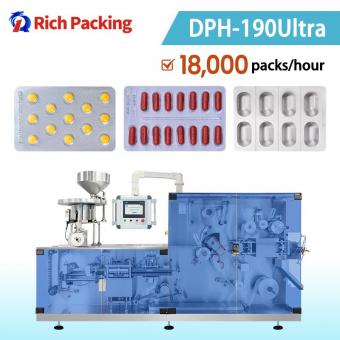
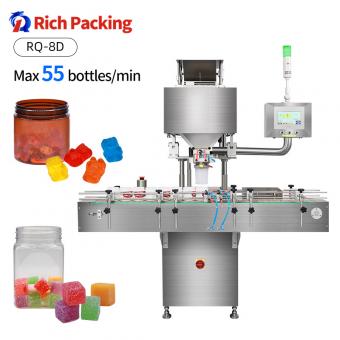
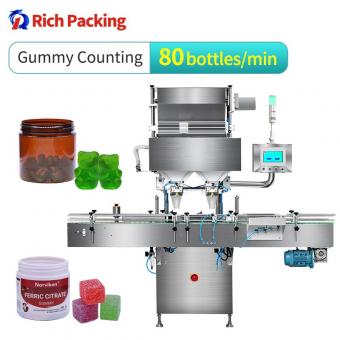
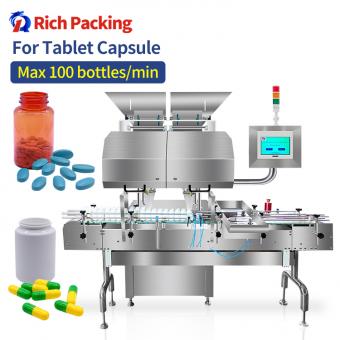
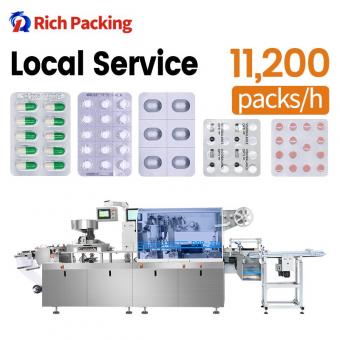
29+ years in pharmaceutical machinery, covering capsule filling, tablet pressing, blister packaging, tablet and capsule counting, cartoning, GMP production, and overseas machine service.

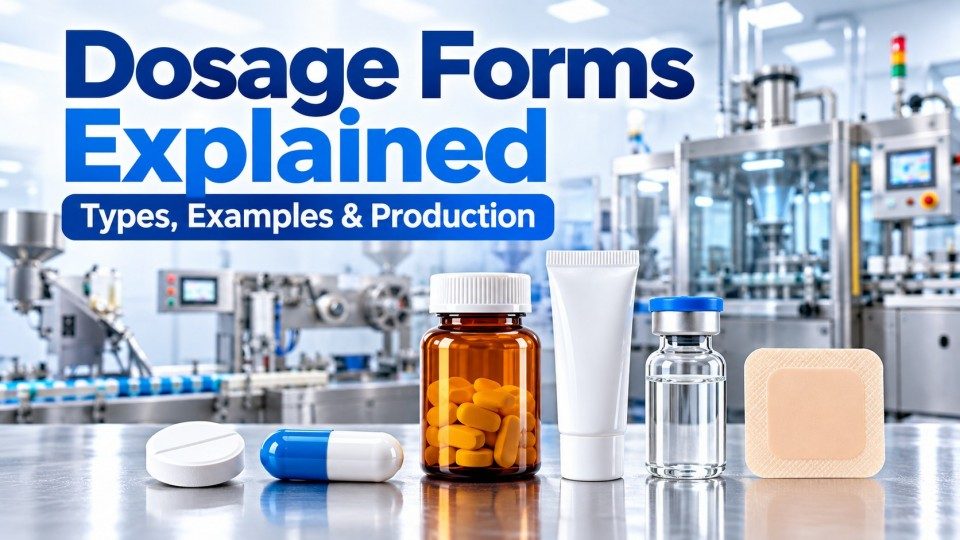
Dạng bào chế là hình thức vật lý mà trong đó một sản phẩm thuốc được sản xuất và cung cấp, chẳng hạn như viên nén, viên nang, dung dịch, kem, thuốc tiêm, sản phẩm dạng hít hoặc miếng dán.Nó kết hợp hoạt chất dược phẩm (API) với các tá dược và thiết kế sản phẩm giúp thuốc phù hợp với một đường dùng cụ thể. Thuật ngữ của FDA liệt kê các dạng bào chế tách biệt với các đường dùng, trong khi USP cung cấp các mô tả chung và nguyên tắc sản xuất cho các dạng bào chế dược phẩm thường được sử dụng.
Đối với các nhà sản xuất dược phẩm, dạng bào chế không chỉ là một nhãn dán trên thành phẩm. Nó ảnh hưởng đến công thức, xử lý nguyên liệu, tạo đơn vị liều, đặc tính giải phóng, bao bì sơ cấp, bảo quản và thiết bị cần thiết để sản xuất sản phẩm một cách nhất quán. Hướng dẫn này giải thích các loại dạng bào chế chính, đưa ra các ví dụ thực tế, phân biệt dạng bào chế với đường dùng, liều lượng và hàm lượng, đồng thời kết nối các khái niệm đó với sản xuất dược phẩm.
Dạng bào chế dược phẩm là hình thức hoàn chỉnh của một chế phẩm thuốc, trong đó một liều thuốc được trình bày để sử dụng.NLM MeSH mô tả các dạng bào chế là các chế phẩm dược phẩm hoàn chỉnh chứa các liều lượng đã được quy định, trong khi FDA liệt kê các dạng như viên nén, viên nang, kem, dung dịch, hỗn dịch, thuốc tiêm, miếng dán và thuốc đạn.
Dạng bào chế không giống với API. Hoạt chất dược phẩm (API) là chất thuốc có hoạt tính. Tá dược là các thành phần công thức không có hoạt tính được sử dụng cho các chức năng như làm đầy, kết dính, rã, bôi trơn, bao phim, kiểm soát độ nhớt, bảo quản hoặc ổn định sản phẩm. Dạng bào chế là cấu hình hoàn chỉnh được tạo ra từ các nguyên liệu đó.
Ví dụ, hãy xem xét một sản phẩm được dán nhãn là viên nén 500 mg dùng đường uống. Viên nén là dạng bào chế, đường uống là đường dùng, 500 mg là hàm lượng trên mỗi viên, và liều dùng là lượng thực tế được dùng một lần. Việc giữ các thuật ngữ này tách biệt là rất quan trọng vì các cơ quan quản lý và tiêu chuẩn dược điển coi dạng bào chế, đường dùng, hàm lượng và thông tin liều dùng là các thuộc tính sản phẩm riêng biệt.
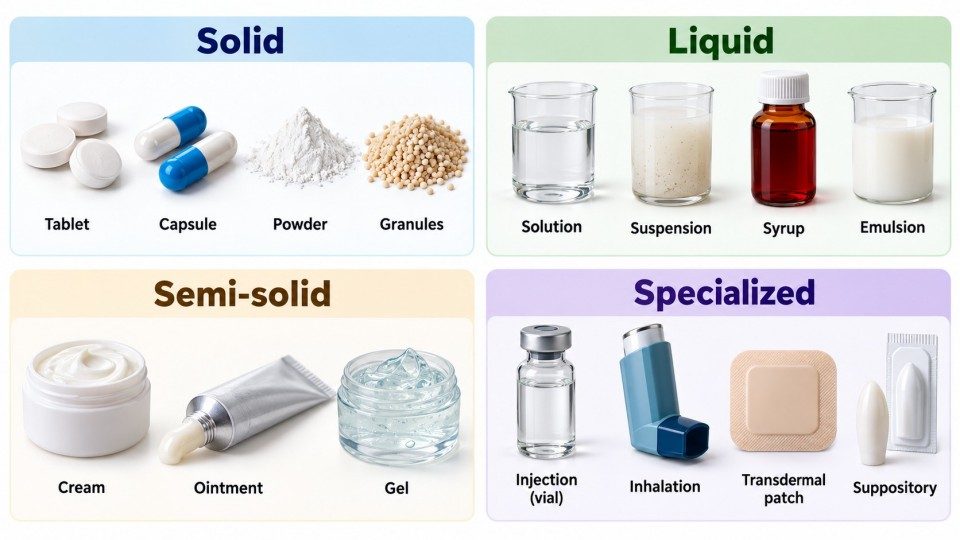
Không có một hệ thống phân loại duy nhất nào bao quát mọi dạng bào chế mà không có sự chồng chéo.Các dạng bào chế có thể được tổ chức theo đặc tính vật lý, đường dùng, đặc tính giải phóng hoặc hệ thống phân phối. USP sử dụng các mô tả về hình thức vật lý, trong khi FDA và EDQM duy trì thuật ngữ xác định riêng biệt các dạng bào chế và đường dùng.
Bảng sau đây tóm tắt các nhóm dạng bào chế phổ biến. Một số hàng mô tả các hình thức vật lý, trong khi những hàng khác mô tả các nhóm phân phối quen thuộc trên lâm sàng, vì vậy các danh mục này không nên được coi là loại trừ lẫn nhau.
|
Danh mục |
Ví dụ phổ biến |
Đường dùng điển hình |
Đặc điểm thực tế |
|
Dạng bào chế rắn |
Viên nén, viên nang, bột, hạt, viên ngậm |
Đường uống, niêm mạc miệng, dưới lưỡi và các đường khác |
Đơn vị liều, quy trình sản xuất hoàn thiện, tùy chọn bao bì đa dạng |
|
Dạng bào chế lỏng |
Dung dịch, hỗn dịch, nhũ tương, siro |
Đường uống, nhỏ mắt, nhỏ tai, tiêm và các đường khác |
Liều dùng linh hoạt; công thức và độ ổn định vi sinh phụ thuộc vào thiết kế sản phẩm |
|
Dạng bào chế bán rắn |
Kem, thuốc mỡ, gel, bột nhão |
Tại chỗ, niêm mạc, qua da |
Độ lưu biến, khả năng dàn trải và tính tương thích với bao bì là rất quan trọng |
|
Dạng bào chế tiêm |
Dung dịch, hỗn dịch, nhũ tương hoặc bột để pha tiêm |
Tiêm tĩnh mạch (IV), tiêm bắp (IM), tiêm dưới da (SC) và các đường tiêm khác |
Độ vô khuẩn là thiết yếu; thời điểm bắt đầu và thời gian tác dụng phụ thuộc vào đường dùng và công thức |
|
Dạng bào chế hít |
Bình xịt định liều, bột khô, dung dịch khí dung |
Phổi |
Hiệu suất thiết bị và đặc tính của khí dung hoặc hạt ảnh hưởng đến khả năng phân phối |
|
Hệ thống qua da |
Miếng dán và một số loại gel chọn lọc |
Qua da |
Được thiết kế để đưa thuốc qua da nguyên vẹn |
|
Các dạng khác |
Thuốc đạn, thuốc cấy, thuốc đặt |
Đường trực tràng, âm đạo, dưới da và các đường khác |
Đặc tính sản phẩm phụ thuộc rất nhiều vào công thức và vị trí dùng thuốc |
Các dạng bào chế rắn bao gồm viên nén, viên nang, bột, cốm, viên ngậm, viên hoàn và các dạng trình bày liên quan. Thuật ngữ dạng bào chế của FDA bao gồm nhiều phân loại phụ của viên nén và viên nang, bao gồm loại bao phim, giải phóng chậm, giải phóng kéo dài, viên nhai và sản phẩm rã trong miệng. Yêu cầu sản xuất của chúng khác nhau tùy theo sản phẩm, đặc biệt là trong khâu chuẩn bị nguyên liệu, tạo hình, bao phim và đóng gói cuối cùng.
Viên nén thường được làm từ bột hoặc cốm được trộn đều rồi nén lại. Tùy thuộc vào công thức, quy trình có thể bao gồm tạo hạt ướt hoặc khô, sấy khô, nghiền, bôi trơn, nén và bao phim. Một máy dập viên tạo thành đơn vị sản phẩm; máy bao viên có thể thêm một lớp bảo vệ, thẩm mỹ, che giấu mùi vị, tan trong ruột hoặc giải phóng có kiểm soát khi thiết kế sản phẩm yêu cầu.
Viên nang cứng sử dụng logic tạo hình khác. Các thân và nắp viên nang rỗng được định hướng và tách rời, công thức được định lượng vào thân viên và vỏ được khóa lại. Một máy đóng nang phối hợp các hoạt động này thông qua các trạm tuần tự, làm cho nguyên lý hoạt động của nó khác biệt cơ bản so với quá trình dập viên nén.
Bột và cốm cũng có thể là các dạng bào chế hoàn chỉnh. Chúng có thể được cung cấp trong chai, gói nhỏ, hoặc gói dạng que, hoặc được sử dụng làm nguyên liệu trung gian cho viên nén và viên nang. Việc sản xuất và đóng gói chúng phụ thuộc vào khả năng chảy, đặc tính hạt, độ nhạy cảm với độ ẩm, kích thước liều lượng và các đặc tính rào cản cần thiết của bao bì cuối cùng.
Các dạng bào chế lỏng bao gồm dung dịch, hỗn dịch, nhũ tương, siro và các chế phẩm lỏng khác. Trong dung dịch, thuốc được hòa tan trong dung môi. Trong hỗn dịch, các hạt rắn được phân tán trong pha lỏng. Trong nhũ tương, một pha lỏng được phân tán trong một pha lỏng không hòa tan khác.
Chất lỏng có thể hữu ích khi công thức yêu cầu dạng trình bày lỏng hoặc khi cần đo liều linh hoạt. Tuy nhiên, chúng không nên được mô tả là có tác dụng nhanh hơn viên nén trong mọi trường hợp. Sự giải phóng và hấp thu phụ thuộc vào thuốc, công thức, đường dùng, sinh lý học và thiết kế sản phẩm.
So với nhiều sản phẩm rắn, các công thức lỏng có thể đặt ra những thách thức bổ sung về độ ổn định vật lý, hóa học hoặc vi sinh. Một số sản phẩm yêu cầu chất bảo quản, kiểm soát độ pH, bảo vệ khỏi ánh sáng hoặc oxy, hoặc các hệ thống đóng gói đặc biệt. Những yêu cầu này phải được thiết lập cho công thức cụ thể thay vì mặc định cho mọi loại thuốc dạng lỏng.
Các dạng bào chế bán rắn bao gồm kem, thuốc mỡ, gel và bột nhão. Hiệu quả của chúng phụ thuộc vào nhiều yếu tố hơn là nồng độ hoạt chất (API). Lưu biến học, sự phân bố giọt hoặc hạt, khả năng lan tỏa, độ ổn định pha, sự giải phóng thuốc từ tá dược nền và khả năng tương thích với tuýp, hũ, bơm hoặc vật chứa sơ cấp khác đều có thể quan trọng.
Các sản phẩm bán rắn thường được sử dụng trên da hoặc bề mặt niêm mạc, nhưng tác dụng dự kiến có thể là tại chỗ hoặc toàn thân tùy thuộc vào công thức và đường dùng. Do đó, thiết bị sản xuất khác với thiết bị dập viên và đóng nang được sử dụng cho các dạng bào chế rắn đường uống.
Các dạng bào chế tiêm bao gồm dung dịch vô trùng, hỗn dịch, nhũ tương và bột được pha loãng trước khi sử dụng. Chúng bỏ qua đường tiêu hóa, nhưng "tiêm" không tự động có nghĩa là "tác dụng nhanh". Tiêm tĩnh mạch có thể tạo ra khả dụng sinh học toàn thân nhanh chóng, trong khi một số công thức tiêm bắp hoặc dưới da được thiết kế có chủ đích để giải phóng kéo dài.
Các dạng bào chế hít bao gồm bình xịt định liều, sản phẩm bột khô và chất lỏng phun sương. Hiệu quả của chúng phụ thuộc vào cả công thức và thiết bị phân phối. Các hệ thống qua da đưa thuốc qua da nguyên vẹn và có thể được thiết kế để phân phối có kiểm soát trong một khoảng thời gian kéo dài.
Thuốc đạn là các chế phẩm rắn được thiết kế để đưa vào các hốc cơ thể, nơi chúng có thể tan chảy, mềm ra, hòa tan hoặc phân tán tùy thuộc vào tá dược nền và thiết kế sản phẩm. Thuốc cấy và thuốc đặt là những ví dụ bổ sung cho thấy lý do tại sao cách phân loại đơn giản "rắn, lỏng, bán rắn" không thể mô tả mọi dạng bào chế hiện đại.
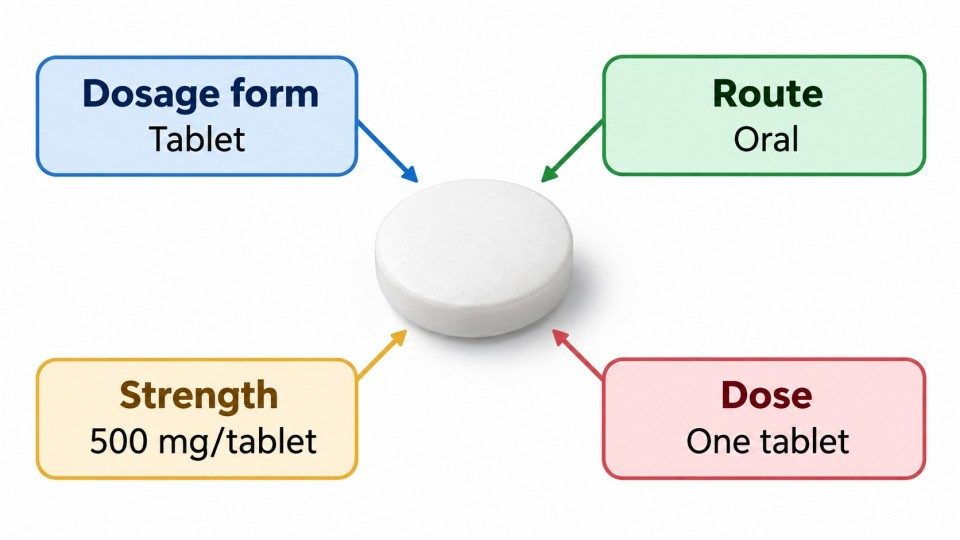
Dạng bào chế, đường dùng, liều lượng và hàm lượng mô tả những thứ khác nhau và không nên được sử dụng thay thế cho nhau. Thuật ngữ của FDA và EDQM coi các dạng bào chế dược phẩm và đường dùng là các khái niệm dữ liệu riêng biệt.
|
Thuật ngữ |
Ý nghĩa |
Ví dụ |
|
Dạng bào chế |
Dạng vật lý/sản phẩm mà thuốc được trình bày |
Viên nén |
|
Đường dùng thuốc |
Đường hoặc vị trí mà thuốc được đưa vào cơ thể |
Đường uống |
|
Hàm lượng |
Lượng hoặc nồng độ của hoạt chất (API) trong một đơn vị hoặc khối lượng xác định |
500 mg mỗi viên |
|
Liều dùng |
Lượng thuốc được dùng tại một thời điểm cụ thể |
Một viên 500 mg |
Trong thuật ngữ dược phẩm, một dạng bào chế đơn lẻ có thể liên quan đến nhiều hơn một đường dùng, và cùng một đường dùng có thể sử dụng nhiều dạng bào chế. Ví dụ, đường uống là một đường dùng, không phải là một danh mục trạng thái vật lý. Một dung dịch có thể dùng để uống, nhỏ mắt, nhỏ tai hoặc tiêm tùy thuộc vào sản phẩm. Tương tự, "500 mg" không cho biết sản phẩm đó là viên nén, viên nang, bột hay dạng khác.
Các dạng bào chế khác nhau tồn tại vì đặc tính của thuốc, mục tiêu điều trị, nhu cầu của bệnh nhân, các hạn chế trong sản xuất và yêu cầu đóng gói không giống nhau đối với mọi sản phẩm.
Đặc tính của thuốc là một điểm khởi đầu. Độ hòa tan, độ ổn định, đặc điểm hạt, kích thước liều, độ nhạy cảm với nhiệt hoặc độ ẩm, và khả năng tương thích với tá dược có thể giới hạn các đường bào chế khả thi. Một loại vật liệu khó nén có thể cần tạo hạt hoặc dùng đường viên nang; một loại thuốc cần được bảo vệ khỏi điều kiện dạ dày có thể sử dụng thiết kế giải phóng chậm.
Hành vi giải phóng là một yếu tố khác. Các sản phẩm giải phóng tức thời, giải phóng chậm và giải phóng kéo dài được thiết kế khác nhau một cách có chủ đích. Một lớp bao, ma trận, hệ thống làm đầy viên nang hoặc thiết kế đa hạt có thể thay đổi vị trí hoặc cách thức thuốc được giải phóng. Sự rã, hòa tan và hấp thu là các quá trình có liên quan nhưng riêng biệt, vì vậy việc nhìn thấy viên thuốc biến mất hoặc viên nang mở ra không tự chứng minh được sự hòa tan hoặc hấp thu hoàn toàn.Thời gian hòa tan của viên nén và viên nang cũng có thể thay đổi tùy theo công thức, lớp bao, hành vi rã và điều kiện thử nghiệm.
Điều kiện của bệnh nhân và cách sử dụng cũng rất quan trọng. Một số sản phẩm được thiết kế cho những người khó nuốt viên nén thông thường; những sản phẩm khác nhắm vào da, phổi, mắt, tai hoặc đường tiêm. Lựa chọn cuối cùng phải cân bằng giữa mục đích sử dụng với tính khả thi của công thức và các thuộc tính chất lượng cần thiết cho thành phẩm.
Dạng bào chế quyết định hoạt động sản xuất cốt lõi, trong khi bao bì thị trường cuối cùng quyết định quy trình đóng gói hạ nguồn. Sản xuất và đóng gói nên được kết nối, nhưng chúng không phải là cùng một giai đoạn.
Đối với viên nén, quy trình điển hình là chuẩn bị nguyên liệu, trộn, tạo hạt và sấy khô tùy chọn, nén viên, bao phim tùy chọn, kiểm tra và sau đó là đóng gói sơ cấp. Máy dập viên là máy tạo hình. Máy bao viên chỉ được sử dụng khi sản phẩm yêu cầu bước bao phim.
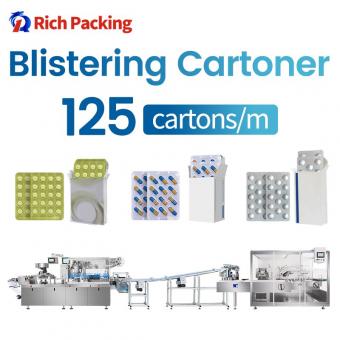
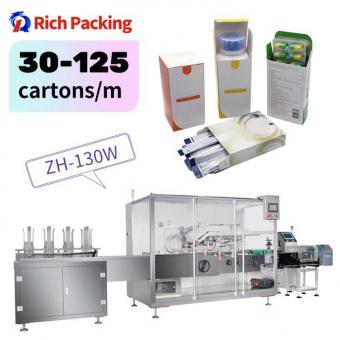
Ở hạ nguồn, viên nén có thể đi vào máy đóng vỉ hoặc máy đếm tự động để đóng chai. Máy đếm viên nén phải tách các sản phẩm thành dòng đơn lẻ ổn định trước khi cảm biến và phân phối chúng, vì vậy hình dạng sản phẩm, bụi, tĩnh điện, hành vi nạp liệu và tốc độ dây chuyền đều có thể ảnh hưởng đến độ ổn định của việc đếm. Đóng gói thứ cấp sau đó có thể sử dụng máy đóng hộp để nạp các vỉ, chai hoặc các bao bì sơ cấp khác vào hộp carton.
Đối với viên nang cứng, máy đóng viên nang bán tự động hoặc máy đóng viên nang tự động có thể định hướng vỏ, tách nắp và thân, định lượng nguyên liệu làm đầy, đóng viên nang và xả các đơn vị thành phẩm. Sau khi đánh bóng hoặc kiểm tra viên nang, viên nang có thể chuyển sang đóng vỉ hoặc dây chuyền đếm viên nén và viên nang, tùy thuộc vào bao bì thị trường yêu cầu.
Bột và hạt có thể đi trực tiếp đến một máy đóng gói dạng que hoặc một hệ thống chiết rót túi nhỏ đã được kiểm chứng khác khi sản phẩm được bán dưới dạng bột hoặc hạt liều đơn. Chúng cũng có thể là các sản phẩm trung gian tiếp tục được chuyển sang công đoạn nén viên hoặc đóng nang. Sự phân biệt này giúp ngăn ngừa một lỗi lập kế hoạch thiết bị phổ biến: máy tạo hạt hoặc máy sấy tầng sôi thuộc về khâu chuẩn bị nguyên liệu, không phải khâu chiết rót dạng lỏng thông thường.
Bao bì phải phù hợp với dạng bào chế và nhu cầu bảo vệ của sản phẩm. Vỉ thuốc có thể cung cấp các khoang riêng lẻ cho viên nén hoặc viên nang; chai lọ có thể chứa các liều rắn đã được đếm; dạng que và túi nhỏ có thể định lượng bột hoặc hạt; hộp giấy cung cấp bao bì thứ cấp bao quanh vỉ, chai, tuýp hoặc túi nhỏ. Đối với các dự án kết hợp nhiều công đoạn hạ nguồn, một dây chuyền đóng gói dược phẩm có thể tích hợp các khâu cấp liệu, đóng gói sơ cấp, kiểm tra, in mã, đóng gói thứ cấp và xả hàng cuối cùng.
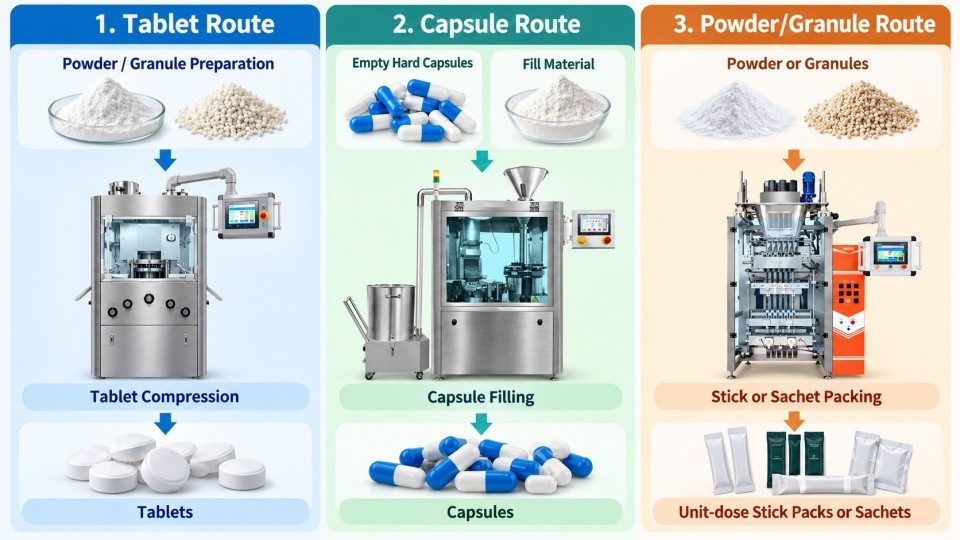
Do đó, việc lựa chọn máy đóng hộp nên được thực hiện sau khi bao bì sơ cấp đã được xác định. Vỉ thuốc, chai, tuýp và gói dạng que đòi hỏi các yêu cầu khác nhau về cấp liệu, nhóm sản phẩm, tờ hướng dẫn sử dụng, kích thước hộp và đồng bộ hóa.
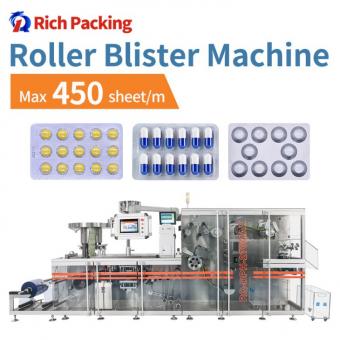
Dòng thiết bị dược phẩm của Rich Packing chủ yếu liên quan đến sản xuất và đóng gói dạng rắn, bao gồm dập viên, đóng nang, đóng vỉ, đếm viên, đóng gói dạng que và đóng hộp.
Dạng bào chế là dạng vật lý hoặc dạng sản phẩm hoàn chỉnh mà thuốc được sản xuất và cung cấp, chẳng hạn như viên nén, viên nang, dung dịch, kem, thuốc tiêm hoặc miếng dán. Nó kết hợp API và các thành phần công thức khác ở dạng phù hợp với mục đích sử dụng.
Các nhóm phổ biến bao gồm dạng bào chế rắn, lỏng và bán rắn, cùng với các dạng chuyên biệt như thuốc tiêm, sản phẩm hít, hệ thống qua da, thuốc đạn, cấy ghép và miếng chèn. Việc phân loại cũng có thể dựa trên đường dùng, đặc tính giải phóng hoặc hệ thống phân phối, vì vậy các danh mục có thể chồng chéo lên nhau.
Các ví dụ bao gồm viên nén, viên nang, bột, hạt, dung dịch, hỗn dịch, nhũ tương, siro, kem, thuốc mỡ, gel, thuốc tiêm, thuốc đạn, bình xịt hít và miếng dán qua da.
Dạng bào chế mô tả dạng sản phẩm dược phẩm, trong khi đường dùng mô tả cách thức hoặc vị trí thuốc được đưa vào cơ thể. Viên nén là một dạng bào chế; đường uống là một đường dùng. FDA và EDQM duy trì đây là các khái niệm thuật ngữ riêng biệt.
Dạng bào chế là dạng sản phẩm, hàm lượng là lượng hoặc nồng độ của API trong một đơn vị hoặc số lượng xác định, và liều dùng là lượng được dùng tại một thời điểm cụ thể. Ví dụ, một viên nén có thể chứa 500 mg API, trong khi một liều dùng có thể là một viên.
Các dạng bào chế khác nhau có thể đáp ứng các yêu cầu công thức, đường dùng, hồ sơ giải phóng, nhu cầu của bệnh nhân hoặc điều kiện sử dụng sản phẩm khác nhau. Dạng phù hợp phụ thuộc vào loại thuốc và thiết kế sản phẩm cụ thể thay vì một quy tắc chung duy nhất.
Sản xuất viên nén có thể bao gồm trộn, tạo hạt khi cần thiết, máy dập viên và bao phim tùy chọn. Sản xuất viên nang cứng sử dụng máy đóng nang. Đóng gói hạ nguồn có thể sử dụng máy đóng vỉ, máy đếm và đóng chai tự động, máy đóng gói dạng que hoặc túi nhỏ cho bột hoặc hạt, và thiết bị đóng hộp.
Dạng bào chế là dạng hoàn chỉnh mà thuốc được sản xuất và cung cấp, và cần được phân biệt với đường dùng, liều dùng và hàm lượng. Viên nén, viên nang, chất lỏng, chất bán rắn, thuốc tiêm, sản phẩm hít, miếng dán và các dạng bào chế khác đều tạo ra các yêu cầu khác nhau về công thức, sản xuất, kiểm soát chất lượng và đóng gói.
Đối với các nhà sản xuất dược phẩm và người mua thiết bị, giá trị thực tiễn của việc hiểu rõ các dạng bào chế rất đơn giản: xác định dạng sản phẩm trước, sau đó xây dựng quy trình sản xuất và đóng gói dựa trên đặc tính vật liệu, thuộc tính chất lượng, mục đích sử dụng và bao bì cuối cùng. Trình tự đó dẫn đến các quyết định về thiết bị tốt hơn là chọn từng máy riêng lẻ trước khi dạng bào chế và quy trình được xác định rõ ràng.

29+ years in pharmaceutical machinery, covering capsule filling, tablet pressing, blister packaging, tablet and capsule counting, cartoning, GMP production, and overseas machine service.

E-mail : manager@richpacking.cn
Building D, No. 226, Beishan Qiaotou Street, Haizhu District, Guangzhou City, Guangdong Province, China


 Mạng IPv6 được hỗ trợ