






 Trang Chủ
 Các sản phẩm
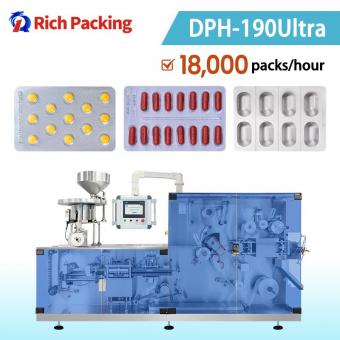
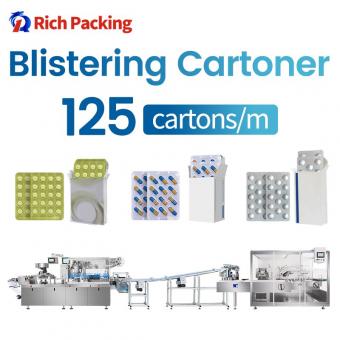
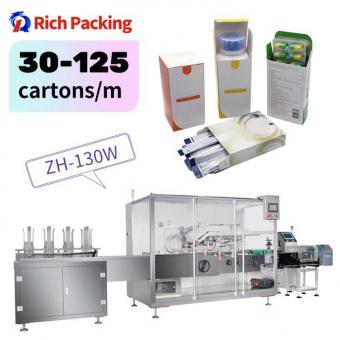
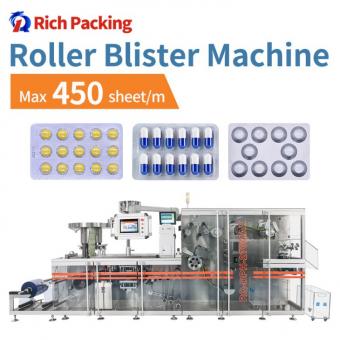
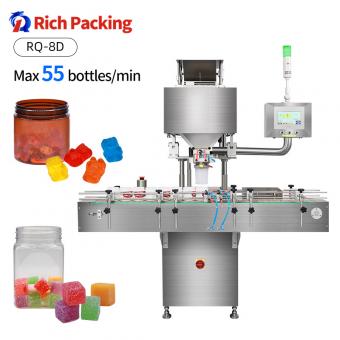
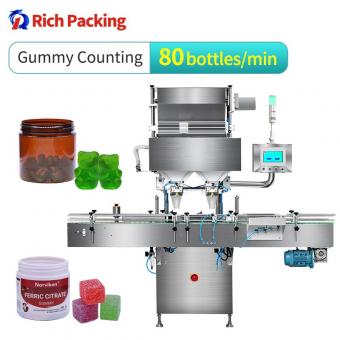
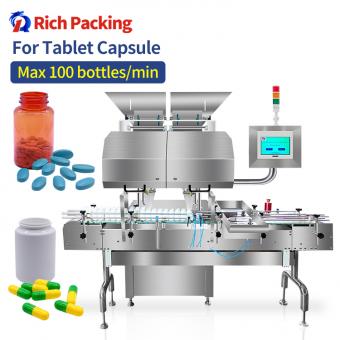
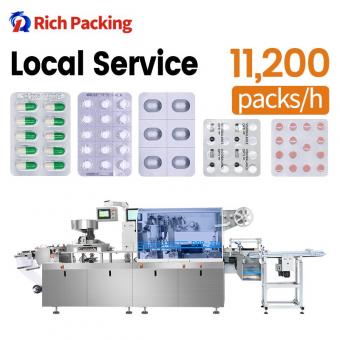
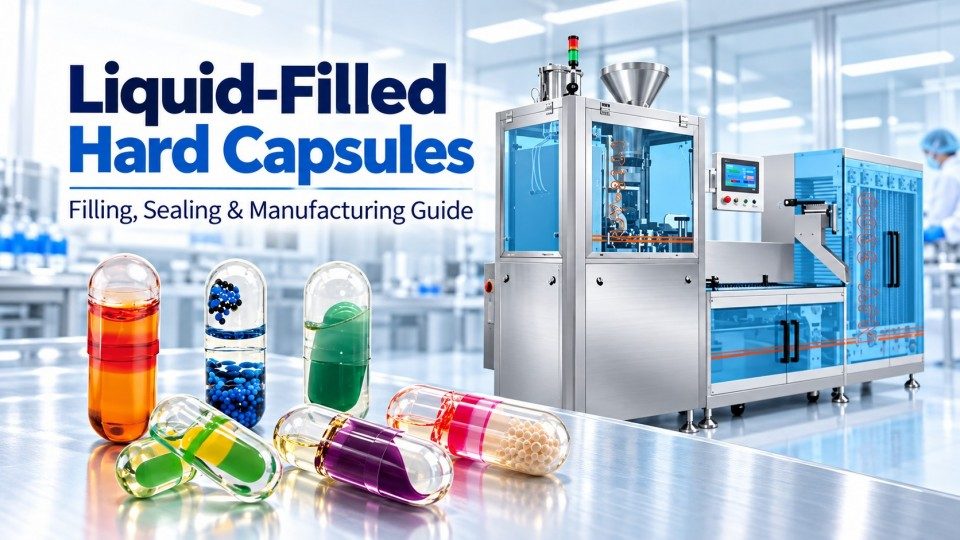
Viên nang cứng chứa chất lỏng sử dụng vỏ cứng hai mảnh để chứa các chất lỏng, hỗn dịch hoặc chất bán rắn tương thích. Sau khi định liều, phần nắp và thân được khóa lại và, nếu công thức yêu cầu, được niêm phong tại mối nối giữa nắp và thân. Không giống như nạp bột, sản xuất viên nang lỏng kiểm soát chặt chẽ hơn về dòng chảy công thức, độ tương thích của vỏ, độ lặp lại liều lượng và độ nguyên vẹn của mối niêm phong.
Trong sản xuất viên nang cứng chứa chất lỏng, công thức, hệ thống định liều, vỏ viên nang, phương pháp niêm phong và các điều kiện sau niêm phong phải phối hợp với nhau. Hướng dẫn này theo sát quy trình đó từ khâu lựa chọn công thức và nạp liệu cho đến khóa, niêm phong, làm khô hoặc đóng rắn, kiểm tra và lựa chọn thiết bị.
Viên nang cứng chứa chất lỏng là gì?
Viên nang cứng chứa chất lỏng (LFHC) là loại viên nang hai mảnh được tạo hình sẵn với phần thân dài hơn để chứa liệu và phần nắp ngắn hơn đóng lại phía trên. Chúng có thể sử dụng vỏ gelatin cứng hoặc polymer như HPMC, nhưng công thức và quy trình phải tương thích với loại vỏ đã chọn.
Cấu trúc của một viên nang cứng chứa chất lỏng
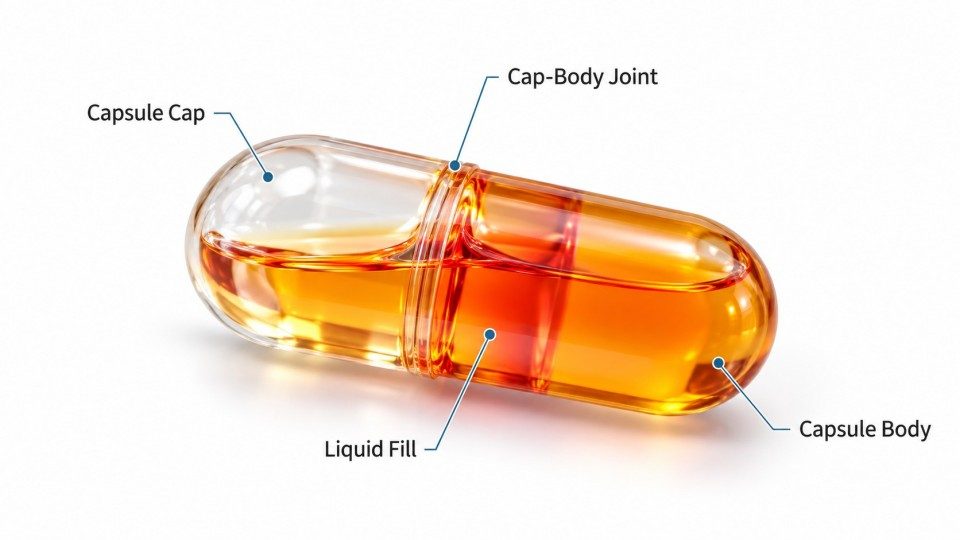
Một viên nang cứng chứa chất lỏng có bốn bộ phận hoạt động:
- Thân viên nang: chứa công thức đã định liều.
- Nắp viên nang: đóng lại phía trên thân đã nạp liệu.
- Chất lỏng hoặc chất bán rắn: công thức đã được định liều.
- Mối nối nắp-thân: bề mặt tiếp xúc chồng lên nhau giúp đóng kín cơ học và, khi cần thiết, là nơi thực hiện niêm phong.
Khóa giúp nối nắp và thân; niêm phong giúp đóng kín mối nối. Đối với dạng lỏng, lớp niêm phong bổ sung đó có thể giảm rò rỉ qua bề mặt tiếp xúc nắp-thân và hạn chế sự xâm nhập không mong muốn trong quá trình xử lý và bảo quản.
Vỏ viên nang Gelatin so với HPMC
Gelatin và HPMC không phản ứng giống nhau với mọi công thức chất lỏng. Độ ẩm, dung môi, tá dược và điều kiện bảo quản có thể làm thay đổi độ giòn, độ biến dạng, khối lượng hoặc độ nguyên vẹn của vỏ, vì vậy việc lựa chọn vỏ phải được kiểm nghiệm với chính công thức thực tế.
Trên thực tế, không phải gelatin hay HPMC tự động là lựa chọn tốt hơn. Phản ứng với độ ẩm và phản ứng cơ học của chúng khác nhau, trong khi độ tương thích hoàn toàn giữa công thức và vỏ sẽ được đánh giá trong phần tiếp theo.
Viên nang cứng chứa chất lỏng so với viên nang mềm (softgels)
Cả LFHC và softgels đều có thể chứa chất lỏng hoặc chất bán rắn, nhưng chúng được sản xuất khác nhau. Viên nang mềm tạo thành một lớp vỏ linh hoạt xung quanh phần nhân trong quá trình đóng nang; LFHC bắt đầu với một vỏ cứng hai mảnh được tạo hình sẵn.
Sự khác biệt đó làm thay đổi thiết bị nạp liệu, phương pháp định liều, phản ứng của vỏ và bước niêm phong. LFHC hữu ích khi sản phẩm cần định dạng viên nang cứng với phần nhân lỏng hoặc bán rắn tương thích.
Những gì có thể nạp vào viên nang cứng?
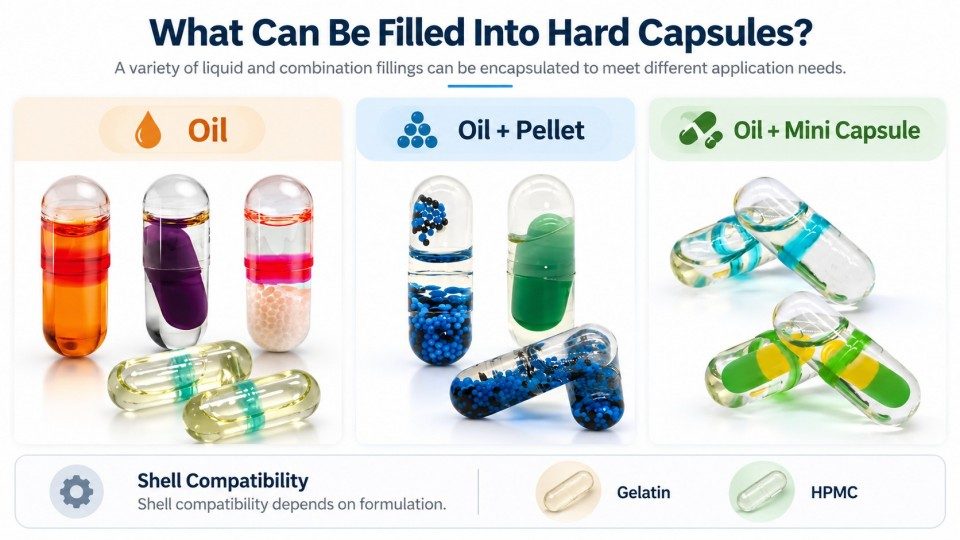
Viên nang cứng có thể chứa dầu, dung dịch không chứa nước, hỗn dịch và các chất bán rắn hoặc bột nhão được chọn lọc, nhưng công thức vẫn phải tương thích với vỏ, hệ thống định liều và quy trình niêm phong.
Dầu và các công thức gốc lipid
Dầu và các loại nhân gốc lipid là ứng dụng phổ biến của LFHC vì hệ thống định liều dịch chuyển dương có thể đo lường chúng chính xác khi dòng chảy vẫn ổn định. Nhưng dầu không tự động tương thích với mọi loại vỏ viên nang cứng.
Thành phần lipid, chất hoạt động bề mặt, tính hút ẩm, độ nhớt và tương tác với vỏ đều có thể làm thay đổi độ nguyên vẹn của viên nang. Hãy xác nhận độ tương thích với công thức dự định thay vì chỉ dựa vào loại công thức.
Dung dịch và hỗn dịch
Dung dịch thường dễ định liều hơn khi độ nhớt và thành phần ổn định. Hỗn dịch bổ sung thêm một điểm kiểm soát: các chất rắn phải duy trì trạng thái phân tán đều để vật liệu đi đến bơm và vòi phun vẫn đại diện cho công thức dự định.
Đối với việc nạp hỗn dịch, hãy kiểm soát quá trình trộn, thời gian lưu, sự lắng đọng, hoạt động của vòi phun và độ lặp lại liều lượng. Một khi công thức mất đi tính đồng nhất, máy đóng viên nang lỏng không thể sửa chữa sự khác biệt về thành phần ở giai đoạn sau.
Chất bán rắn và bột nhão
Chất bán rắn và bột nhão cũng có thể được nạp vào viên nang cứng, nhưng nhiệt độ và lực cắt có thể làm thay đổi dòng chảy của chúng nhanh chóng. Hãy chọn hệ thống định liều dựa trên lưu biến thực tế của công thức, không phải nhãn sản phẩm.
Bơm gốm hoặc các loại bơm dịch chuyển dương khác có thể phù hợp với các loại nhân có độ nhớt cao, nhưng loại bơm, thiết kế vòi phun và điều kiện vận hành vẫn cần các thử nghiệm cụ thể cho từng sản phẩm.
Độ tương thích giữa công thức và vỏ viên nang
Trước khi chọn vỏ hoặc máy, hãy sàng lọc công thức để tìm các yếu tố có khả năng ảnh hưởng nhất đến quá trình nạp liệu và độ nguyên vẹn của viên nang:
- độ ẩm và hoạt độ nước;
- tính hút ẩm;
- độ tương thích với dung môi;
- thành phần lipid và chất hoạt động bề mặt;
- độ nhớt và đặc tính dòng chảy;
- nhiệt độ công thức;
- sự biến dạng hoặc độ giòn của vỏ nang;
- tương tác tiềm ẩn giữa công thức và vỏ nang.
Việc sàng lọc này rất quan trọng vì các thành phần công thức có thể làm thay đổi tính chất cơ học và độ nguyên vẹn của vỏ nang cứng trong quá trình chiết rót và bảo quản.
Các công thức cần đánh giá đặc biệt
Hãy đánh dấu một công thức để kiểm tra thêm khi nó có tính hút ẩm cao, có hoạt độ nước cao, chứa các dung môi phản ứng với vỏ nang, thay đổi độ nhớt đột ngột theo nhiệt độ, chứa các hạt lơ lửng, cuốn theo không khí hoặc bị kéo sợi tại vòi phun. Hoạt độ nước cao có thể làm mềm hoặc biến dạng vỏ nang gelatin, vì vậy các loại dịch chiết rót dạng nước hoặc có tính hút ẩm mạnh cần được kiểm tra độ tương thích đặc biệt cẩn thận.
Đừng chỉ chọn vỏ nang hoặc máy chiết rót nang cứng dạng lỏng dựa trên danh mục công thức. Hãy đánh giá công thức thực tế, vỏ nang, hệ thống định lượng, phương pháp hàn kín và điều kiện bảo quản như một quy trình thống nhất.
Nang cứng chứa dịch lỏng được sản xuất như thế nào?
Quy trình sản xuất nang chứa dịch lỏng tuân theo một trình tự rõ ràng: chuẩn bị công thức, tách nang, định lượng dịch chiết rót, khóa vỏ nang, hàn kín mối nối, làm khô hoặc đóng rắn mối hàn, kiểm tra nang và xuất sản phẩm đạt yêu cầu. Các loại máy có thể khác nhau, nhưng các điểm kiểm soát này vẫn liên kết chặt chẽ với nhau.
Bước 1: Chuẩn bị công thức
Trước khi sản xuất, cần xác định đặc tính độ nhớt, tính đồng nhất, độ nhạy nhiệt độ, sự lắng cặn, sự cuốn theo không khí và độ tương thích với vỏ nang. Những đặc tính này quyết định cách thức công thức hoạt động trong phễu, bơm, vòi phun và thân nang.
Các hỗn dịch cần sự phân tán ổn định trong suốt quá trình chạy máy. Các loại dịch chiết rót có độ nhớt cao cần các điều kiện định lượng giúp hạn chế tình trạng kéo sợi, nhỏ giọt và phục hồi bơm chậm.
Bước 2: Cấp và tách nang rỗng
Nang cứng rỗng được cấp vào, định hướng và tách thành nắp và thân. Thân nang phải đến đúng vị trí chiết rót trong khi nắp được giữ lại để khóa sau khi định lượng. Loại bỏ các nang không tách được trước khi chiết rót.
Bước 3: Định lượng và chiết rót dịch lỏng
Hệ thống định lượng đo lường công thức vào từng thân viên nang. Các hệ thống dịch chuyển dương, bao gồm thiết kế piston và bơm gốm, là những lựa chọn phổ biến khi chúng phù hợp với đặc tính dòng chảy của công thức.
Độ nhớt làm thay đổi trực tiếp hành vi định lượng trong quá trình chiết rót chất lỏng vào viên nang cứng: phản ứng của bơm, hiện tượng nhỏ giọt ở vòi phun, hiện tượng kéo sợi, tốc độ chiết rót và độ lặp lại liều lượng đều có thể thay đổi theo độ nhớt. Không có giới hạn độ nhớt hoặc nhiệt độ chung hữu ích nào; phạm vi vận hành phụ thuộc vào công thức, thiết kế bơm/vòi phun và quy trình máy đã được thẩm định.
Trong quá trình sản xuất, hãy theo dõi đồng thời tình trạng công thức, phản ứng của bơm, khả năng ngắt của vòi phun, vị trí viên nang và độ đồng nhất của lượng chiết rót. Hướng dẫn của FDA nhấn mạnh các điều kiện sản xuất được kiểm soát và việc kiểm tra trong quá trình sản xuất phù hợp cho các hoạt động đóng nang.
Bước 4: Đóng và khóa viên nang
Sau khi định lượng, máy đưa nắp và thân lại với nhau để tạo thành viên nang đóng cơ bản.
Khóa không phải là niêm phong. Khóa cơ học giữ hai phần vỏ lại với nhau, nhưng chất lỏng vẫn có thể tìm thấy đường rò rỉ qua giao diện giữa nắp và thân nếu mối nối không được niêm phong đầy đủ.
Bước 5: Niêm phong viên nang
Niêm phong tạo thêm một rào cản tại mối nối giữa nắp và thân. Tùy thuộc vào viên nang và quy trình, đây có thể là một dải băng bên ngoài hoặc một phương pháp niêm phong kiểu đường nối/nóng chảy khác.
Bước 6: Làm khô, đóng rắn và làm mát
Sau khi niêm phong, mối nối cần các điều kiện được kiểm soát để làm khô, đông cứng hoặc đóng rắn. Làm mát trở thành một nhu cầu quy trình riêng biệt khi chất chiết rót được làm nóng hoặc làm mềm bằng nhiệt cần trở lại trạng thái vật lý mục tiêu của nó; các loại dầu, dung dịch và hỗn dịch thông thường không tự động cần một bước làm mát riêng biệt.
Hệ thống chiết rót chất lỏng vào viên nang cứng sử dụng cơ chế làm khô/làm mát bằng không khí theo chiều dọc. Ổn định mối niêm phong mà không làm biến dạng vỏ, làm ảnh hưởng đến mối nối hoặc làm thay đổi trạng thái chất chiết rót.
Bước 7: Kiểm tra và loại bỏ
Việc kiểm tra nên nhắm vào các khiếm khuyết quan trọng đối với chất lượng sản phẩm hoặc sự ổn định của dây chuyền. Tùy thuộc vào các cảm biến được lắp đặt, dây chuyền có thể kiểm tra sự hiện diện của viên nang, hướng, sự tách rời giữa nắp và thân, việc đóng kín, biến dạng có thể nhìn thấy, rò rỉ hoặc hình thức của mối niêm phong.
Bước 8: Xả viên nang thành phẩm
Các viên nang đạt chuẩn sau đó được chuyển đến khâu xử lý hoặc đóng gói tiếp theo. Tùy thuộc vào sản phẩm, quy trình đó có thể bao gồm đánh bóng viên nang,viên nang phân loại, đếm và đóng chai viên nang, đóng vỉ, hoặc đóng hộp.
|
Bước sản xuất |
Điểm kiểm soát chính |
|
Chuẩn bị công thức |
Tính đồng nhất, độ nhớt, tính tương thích, sự cuốn khí |
|
Tách vỏ nang |
Tách nắp/thân đúng cách và loại bỏ các sản phẩm lỗi |
|
Định liều chất lỏng |
Hoạt động của bơm, hiệu suất vòi phun, độ đồng nhất liều |
|
Đóng/khóa |
Căn chỉnh nắp-thân và đóng cơ học |
|
Niêm phong |
Tình trạng chất niêm phong, độ đồng nhất khi bôi, độ che phủ mối nối |
|
Sấy/đông cứng/làm mát |
Thiết lập hoặc đông cứng mối niêm phong; làm mát khi cần thiết đối với các loại nhân được làm nóng hoặc làm mềm bằng nhiệt |
|
Kiểm tra |
Rò rỉ, biến dạng, các lỗi đóng nắp và quy trình |
|
Xả |
Chuyển có kiểm soát sang các công đoạn hạ nguồn |
Viên nang cứng chứa chất lỏng được niêm phong như thế nào?
Niêm phong bảo vệ mối nối nắp-thân; đây là một công đoạn riêng biệt so với việc chỉ khóa viên nang đơn thuần.
Tại sao viên nang cứng chứa chất lỏng cần phải niêm phong
Một viên nang được khóa cơ học vẫn có bề mặt tiếp xúc chồng lên nhau giữa nắp và thân. Với nhân lỏng, bề mặt tiếp xúc đó có thể trở thành đường rò rỉ, vì vậy quy trình niêm phong được sử dụng để giảm thiểu sự thoát chất lỏng và hạn chế sự xâm nhập từ môi trường.
Vị trí bôi keo niêm phong
Trong niêm phong bằng keo, vật liệu được bôi xung quanh mối nối nắp-thân hoặc đường nối viên nang. Khu vực tiếp xúc chính xác và kiểu bôi phụ thuộc vào vỏ nang và công nghệ niêm phong.
Băng dán bên ngoài bao quanh một dải niêm phong bên ngoài mối nối. Các quy trình khác bôi chất lỏng niêm phong trực tiếp tại đường nối và sử dụng các điều kiện được kiểm soát để tạo thành một lớp đóng kín tích hợp. Chúng giải quyết cùng một vấn đề, nhưng không phải là cùng một quy trình.
Keo niêm phong tạo ra lớp niêm phong viên nang như thế nào
Vật liệu niêm phong phải tiếp cận và làm ướt đồng đều hoặc tương tác với các bề mặt vỏ nang mục tiêu, sau đó đông cứng, khô hoặc hợp nhất thành rào cản dự kiến. Tình trạng chất niêm phong, hình học mối nối, vật liệu vỏ nang, áp suất bôi và xử lý sau niêm phong đều ảnh hưởng đến kết quả.
Điều quan trọng là độ che phủ mối nối đồng đều và sự hình thành mối niêm phong có thể lặp lại—chứ không chỉ đơn thuần là có chất niêm phong hay không.
Nhiệt độ keo niêm phong và độ đồng nhất khi bôi
Ở những nơi chất lỏng niêm phong được kiểm soát nhiệt độ, bốn biến số cùng quan trọng: hóa tính của chất niêm phong, độ nhớt, nhiệt độ và độ đồng nhất khi bôi. Nếu chất niêm phong quá đặc, quá lỏng, được điều kiện hóa kém hoặc bôi không đều, độ che phủ mối nối sẽ trở nên không nhất quán. Hãy thiết lập phạm vi làm việc cho vỏ nang, công thức niêm phong và quy trình máy thực tế.
Đừng sao chép nhiệt độ niêm phong từ một hệ thống viên nang khác. Hãy xác nhận tình trạng chất niêm phong trên công thức và máy móc thực tế đang được sử dụng.
Tính tương thích của vỏ nang trong quá trình niêm phong
Vỏ nang phải chịu được cả công thức và quy trình niêm phong. Độ ẩm, dung môi, nhiệt độ và điều kiện sấy có thể làm thay đổi đặc tính của vỏ nang, vì vậy việc phát triển mối niêm phong và tính tương thích của vỏ nang nên được đánh giá cùng nhau.
Sấy và đông cứng sau khi niêm phong
Việc sấy hoặc đông cứng sau niêm phong đưa chất niêm phong về trạng thái vật lý dự kiến. Thời gian và điều kiện cần thiết phụ thuộc vào hóa tính của chất niêm phong, vật liệu vỏ nang, thiết bị và công thức.
Để kiểm soát quy trình, hãy theo dõi mối niêm phong theo thứ tự này:
tình trạng chất niêm phong → độ đồng nhất khi bôi → độ che phủ mối nối → sấy/đông cứng → tính toàn vẹn của mối niêm phong
Các vấn đề thường gặp khi chiết rót và hàn kín viên nang lỏng
Bắt đầu khắc phục sự cố từ lỗi bạn có thể nhìn thấy, sau đó truy ngược lại biến quy trình thực sự có thể gây ra lỗi đó.
|
Vấn đề / triệu chứng |
Nguyên nhân có thể |
Kiểm tra ban đầu |
|
Biến thiên thể tích hoặc khối lượng chiết rót |
Bơm không ổn định, thay đổi độ nhớt, cấp liệu công thức không nhất quán, định vị viên nang |
Kiểm tra tình trạng công thức, phản hồi của bơm, thời gian vòi phun và định vị viên nang |
|
Rò rỉ chất lỏng |
Hoạt động của vòi phun, độ nhớt công thức, kéo sợi quá mức, ngắt dòng kém |
Kiểm tra vòi phun, thời gian định lượng, tình trạng công thức và bộ ngắt bơm |
|
Rò rỉ viên nang |
Hàn kín không hoàn chỉnh, độ che phủ mối nối kém, vỏ không tương thích, vỏ bị hỏng |
Kiểm tra mối nối nắp-thân, việc bôi chất hàn và tình trạng vỏ |
|
Mối hàn yếu hoặc không đều |
Tình trạng chất hàn, bôi không đều, kết hợp vỏ/quy trình không chính xác |
Kiểm tra việc chuẩn bị chất hàn, độ đồng nhất khi bôi và quá trình đông kết sau khi hàn |
|
Biến dạng hoặc dính viên nang |
Tình trạng vỏ, tương tác công thức, điều kiện xử lý hoặc sấy khô |
Kiểm tra độ tương thích của vỏ, điều kiện môi trường và các điểm chuyển tiếp |
|
Lỗi cấp liệu/tách vỏ |
Định hướng viên nang, biến thiên vỏ, điều chỉnh cơ học |
Kiểm tra cấp liệu viên nang, phát hiện tách vỏ và căn chỉnh xử lý |
Sử dụng bảng dưới đây làm hướng dẫn kiểm tra ban đầu; các cài đặt cuối cùng vẫn cần tuân theo quy trình sản phẩm và máy móc đã được xác nhận.
Thiết bị nào được sử dụng cho viên nang cứng chứa chất lỏng?
Máy chiết rót viên nang lỏng kết hợp các bước xử lý, định lượng, khóa và—trên các dây chuyền tích hợp—hàn kín và xử lý sau hàn cần thiết cho sản xuất LFHC. Đối với các dự án yêu cầu hỗ trợ xác nhận, Rich Packing có thể cung cấp FAT/SAT, tài liệu IQ/OQ, và đào tạo người vận hành.
Máy chiết rót viên nang lỏng
Máy chính cấp liệu và tách các viên nang rỗng, định lượng chất lỏng, khóa vỏ và trên các hệ thống tích hợp, chuyển viên nang sang khâu hàn kín và xử lý sau hàn.
Hệ thống định lượng chất lỏng
Hệ thống định lượng kiểm soát độ nhất quán của công thức khi đi vào từng viên nang. Máy chiết rót viên nang lỏng của Rich Packing sử dụng hệ thống định lượng chất lỏng điều khiển bằng servo với cấu hình bơm gốm; Cấu hình này mang lại sản lượng lên tới 60.000 viên/giờ và sai số chiết rót ≤2% cho cấu hình đó.
Hệ thống hàn kín viên nang
Hệ thống hàn kín bôi chất hàn đã chọn hoặc thực hiện thao tác hàn đường nối cần thiết. Thiết kế của nó phải phù hợp với vỏ viên nang, công thức, chất hàn và các điều kiện sản xuất đã được xác nhận.
Hệ thống sấy, đóng rắn và làm mát
Xử lý sau hàn giúp mối nối có thời gian khô, đông kết hoặc đóng rắn trước khi viên nang di chuyển xuống hạ nguồn. Làm mát rất quan trọng khi quy trình chiết rót hoặc hàn kín sử dụng nhiệt
Câu hỏi thường gặp
Viên nang cứng có thể chứa chất lỏng không?
Vâng. Viên nang cứng có thể chứa các chất lỏng, dung dịch, hỗn dịch và một số chất bán rắn phù hợp khi công thức, vỏ nang, quy trình định liều và phương pháp niêm phong tương thích với nhau.
Những loại chất lỏng nào có thể được nạp vào viên nang cứng?
Các ứng viên phổ biến bao gồm dầu, công thức dựa trên lipid, dung dịch không chứa nước, hỗn dịch và một số chất bán rắn chọn lọc. Chỉ riêng khả năng bơm là chưa đủ; khả năng tương thích của vỏ nang và độ ổn định của quy trình vẫn cần phải được xác nhận.
Viên nang cứng chứa chất lỏng có cần phải được niêm phong không?
Thông thường là có. Viên nang cứng chứa chất lỏng thường cần thêm một bước niêm phong để giảm nguy cơ rò rỉ tại khớp nối giữa nắp và thân nang. Khóa cơ học và niêm phong là các thao tác riêng biệt, và phương pháp niêm phong phụ thuộc vào loại viên nang và quy trình thực hiện.
Viên nang cứng chứa chất lỏng được niêm phong như thế nào?
Các phương pháp phổ biến bao gồm dán băng bên ngoài và niêm phong kiểu đường nối/nóng chảy. Trong các hệ thống sử dụng keo, vật liệu niêm phong được bôi tại khớp nối giữa nắp và thân nang, sau đó được làm khô, đông cứng hoặc xử lý theo cách khác để tạo thành lớp niêm phong.
Viên nang HPMC có thể được sử dụng để nạp chất lỏng không?
Có, khi công thức và quy trình tương thích với HPMC. Phản ứng của vỏ nang có thể thay đổi theo thành phần tá dược, tính hút ẩm và độ ẩm lưu trữ, vì vậy sự kết hợp giữa công thức và vỏ nang dự định sử dụng cần được kiểm tra trong các điều kiện liên quan.
Sự khác biệt giữa viên nang cứng chứa chất lỏng và viên nang mềm (softgel) là gì?
Viên nang cứng chứa chất lỏng sử dụng vỏ cứng hai mảnh được đúc sẵn, sau đó được nạp, khóa và niêm phong. Viên nang mềm tạo thành một lớp vỏ linh hoạt bao quanh chất lỏng hoặc chất bán rắn trong quá trình đóng nang, vì vậy thiết bị và quy trình sản xuất là khác nhau.
Máy nào được sử dụng để nạp viên nang cứng chứa chất lỏng?
Máy nạp viên nang chất lỏng định lượng công thức vào các thân viên nang cứng đã được tách rời và tích hợp các công đoạn niêm phong, làm khô/làm mát, kiểm tra và xả sản phẩm. Cấu hình phù hợp phụ thuộc vào công thức, vỏ nang, quy mô sản xuất và công nghệ niêm phong.
Tài liệu tham khảo
[1] Ma JH, Yang M, Zeng M, Chen XM, Lan J. Đánh giá về viên nang gelatin cứng chứa chất lỏng. Zhongguo Zhong Yao Za Zhi. 2008;33(5):602-605. PubMed: https://pubmed.ncbi.nlm.nih.gov/18536390/
[2] Grüne L, Bunjes H. Sự phù hợp của các công thức dựa trên phosphatidylcholine để nạp chất lỏng vào viên nang cứng. European Journal of Pharmaceutical Sciences. 2020;153:105470. https://doi.org/10.1016/j.ejps.2020.105470
[3] Nirale P, Arora S, Solanki A, Bhat J, Singh RK, Yadav KS. Viên nang vỏ cứng chứa chất lỏng: Công nghệ dược phẩm ảnh hưởng đến việc phân phối thuốc hiện nay. Current Drug Delivery. 2022;19(2):238-249. https://doi.org/10.2174/1567201818666210301094400
[4] Koehl NJ, Shah S, Djouka Tenekam I, et al. Các công thức dựa trên lipid trong viên nang gelatin cứng và HPMC: một nghiên cứu về khả năng tương thích vật lý. Pharmaceutical Research. 2021;38(8):1439-1454. https://doi.org/10.1007/s11095-021-03088-8
[5] Cục Quản lý Thực phẩm và Dược phẩm Hoa Kỳ (U.S. Food and Drug Administration). cGMP cho nhà sản xuất thuốc dạng bào chế: Hướng dẫn kiểm tra các nhà sản xuất thuốc dạng bào chế. FDA. https://www.fda.gov/inspections-compliance-enforcement-and-criminal-investigations/inspection-guides/dosage-form-drug-manufacturers-cgmps-1093


 Mạng IPv6 được hỗ trợ