






 Trang Chủ
 Các sản phẩm
29+ years in pharmaceutical machinery, covering capsule filling, tablet pressing, blister packaging, tablet and capsule counting, cartoning, GMP production, and overseas machine service.

Đóng gói dạng stick pack được sử dụng rộng rãi trong ngành dược phẩm và thực phẩm chức năng. Bột, hạt và chất lỏng có thể được đóng vào các gói stick pack nhỏ gọn để thuận tiện cho việc định liều, bảo quản và sử dụng. Tuy nhiên, việc hoàn thiện bản thân gói stick pack chỉ là một giai đoạn của quy trình đóng gói. Đối với các sản phẩm bán trong hộp carton, các gói stick pack sau đó phải được chuyển đến máy đóng hộp và đóng vào một số lượng đơn vị nhất định cho mỗi hộp.
Máy đóng gói stick pack tập trung vào việc tạo hình, chiết rót và hàn kín các gói riêng lẻ, trong khi máy đóng hộp cần tiếp nhận các gói đó một cách có kiểm soát và có tổ chức. Một máy phân loại túi, hoặc máy tập hợp và đếm túi có thể đóng vai trò là mắt xích trung gian giữa hai quy trình. Bằng cách phân loại, sắp xếp và đếm các gói stick pack, nó giúp biến các gói được xả ra ngẫu nhiên thành một dòng vật liệu có tổ chức phù hợp cho việc đóng hộp tự động.
Bài viết này sẽ xem xét kỹ hơn các thách thức phổ biến có thể xảy ra khi đóng hộp các gói stick pack và khám phá cách máy phân loại túi giải quyết những thách thức này. Hơn nữa, bạn sẽ hiểu cách tích hợp máy đóng gói stick pack, máy phân loại túi và máy đóng hộp có thể cải thiện toàn bộ dây chuyền đóng gói về mặt ổn định nguồn cấp, tự động hóa và hiệu quả sản xuất.
Sau khi các gói stick pack đã được sản xuất, bước tiếp theo thường là nạp chúng vào máy đóng hộp để đóng gói thứ cấp. Tuy nhiên, tình trạng đầu ra của máy đóng gói stick pack không phải lúc nào cũng khớp trực tiếp với các yêu cầu nạp liệu của máy đóng hộp. Đối với các nhà sản xuất, những khác biệt này có thể tạo ra một số thách thức trong quá trình chuyển đổi từ sản xuất stick pack sang đóng hộp.
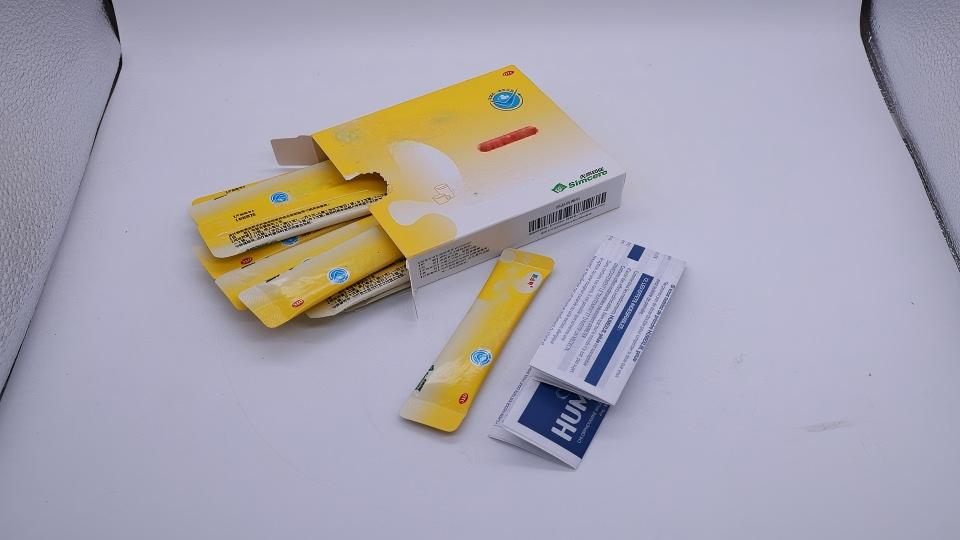
Các gói stick pack trong hộp carton
Đối với các nhà sản xuất, các gói stick pack khi vào hộp cần đáp ứng các yêu cầu rõ ràng về số lượng và hướng. Máy đóng hộp thường yêu cầu các gói stick pack phải được định vị và sắp xếp đúng cách trước khi chúng được đẩy hoặc nạp vào hộp.
Tuy nhiên, các gói stick pack được xả ra từ một máy đóng gói stick pack đa làn thường được sản xuất liên tục và có thể đi ra theo hướng ngẫu nhiên hoặc không nhất quán. Chúng có thể chồng lên nhau, xếp chồng hoặc đến ở các vị trí khác nhau thay vì tạo thành sự sắp xếp gọn gàng theo yêu cầu của máy đóng hộp.
Sự khác biệt giữa đầu ra ngẫu nhiên của máy đóng gói stick pack và các yêu cầu nạp liệu có tổ chức của máy đóng hộp có thể gây ra vấn đề trong quá trình đóng gói hạ nguồn. Nếu các gói stick pack không được sắp xếp đúng cách trước khi vào máy đóng hộp, chúng có thể không được định vị chính xác trong quá trình nạp, làm tăng nguy cơ nạp liệu không ổn định, kẹt gói hoặc bị gấp. Điều này cũng gây khó khăn cho việc đảm bảo mỗi hộp nhận được số lượng gói stick pack cần thiết theo đúng sự sắp xếp.
Đóng hộp cũng yêu cầu các gói stick pack phải được cung cấp với số lượng chính xác. Ví dụ, một sản phẩm có thể được đóng gói với 5, 10, 20 hoặc một số lượng gói stick pack cụ thể khác cho mỗi hộp. Tuy nhiên, máy đóng gói stick pack thường tập trung vào việc sản xuất các gói riêng lẻ liên tục thay vì sắp xếp chúng theo cấu hình hộp cuối cùng.
Điều này tạo ra yêu cầu thứ hai giữa đóng gói sơ cấp và đóng gói thứ cấp. Đó là, các gói stick pack được xả ra liên tục cần được đếm và nhóm lại trước khi chúng được nạp vào hộp.
Nếu không có quy trình đếm và nhóm phù hợp, người vận hành có thể phải thu gom và sắp xếp các gói stick pack theo cách thủ công. Điều này không chỉ làm chậm quá trình sản xuất mà còn làm tăng khả năng thiếu hoặc thừa gói. Đặc biệt đối với các sản phẩm dược phẩm và thực phẩm chức năng, việc đếm đơn vị chính xác là rất quan trọng vì số lượng bên trong mỗi hộp cần phải tương ứng với thông số kỹ thuật đóng gói dự kiến.
Thách thức thứ ba là sự khác biệt về đặc tính vận hành giữa máy đóng gói stick pack và máy đóng hộp. Máy đóng gói stick pack có thể liên tục sản xuất các gói ở tốc độ tương đối cao, trong khi máy đóng hộp tiếp nhận và nạp sản phẩm theo chu kỳ nạp liệu và tạo hình hộp của riêng nó.
Ngay cả khi công suất danh định của hai máy tương thích, dòng vật liệu thực tế của chúng có thể dao động. Một sự chậm lại tạm thời hoặc dừng ngắn ở máy đóng gói stick pack thượng nguồn có thể làm gián đoạn nguồn cung cấp cho máy đóng hộp.
Nếu không có đủ bộ đệm và kiểm soát dòng chảy, những biến động này có thể dẫn đến thiếu hụt vật liệu hạ nguồn, tích tụ hoặc máy dừng liên tục. Do đó, trong một dây chuyền hoàn toàn tự động, giai đoạn xử lý trung gian cần làm nhiều việc hơn là chỉ vận chuyển sản phẩm. Nó phải giúp cân bằng dòng vật liệu giữa đóng gói sơ cấp và thứ cấp.
Tại nhiều cơ sở sản xuất, đóng gói sơ cấp và đóng gói thứ cấp được ngăn cách vật lý bởi các bức tường hoặc nằm ở các khu vực đóng gói khác nhau. Điều này tạo ra một rào cản vật lý giữa máy đóng gói stick pack và máy đóng hộp.
Kết nối trực tiếp truyền thống có thể yêu cầu một lộ trình băng tải dài để chuyển các gói stick pack từ khu vực đóng gói sơ cấp sang khu vực đóng hộp. Thiết bị nạp liệu và băng tải bổ sung cũng có thể chiếm diện tích sàn đáng kể.
Đối với các nhà máy có không gian hạn chế hoặc các khu vực đóng gói tách biệt, cấu hình như vậy có thể không thực tế. Kết quả là, một số nhà sản xuất không thể dễ dàng thiết lập kết nối trực tiếp giữa máy đóng gói stick pack và máy đóng hộp mà thay vào đó phải dựa vào việc đóng hộp thủ công sau khi các gói stick pack được sản xuất.
Tuy nhiên, đóng hộp thủ công lại đưa ra một yêu cầu khác. Người vận hành vẫn cần phân loại và đếm các gói stick pack trước khi cho số lượng chính xác vào mỗi hộp. Do đó, ngay cả khi kết nối hoàn toàn tự động không khả thi, vẫn cần một giải pháp hiệu quả để xử lý quy trình phân loại và đếm trung gian.
Các thách thức được mô tả ở trên chủ yếu xảy ra do các gói stick pack rời khỏi quy trình đóng gói sơ cấp theo một dòng liên tục nhưng tương đối không có tổ chức, trong khi máy đóng hộp yêu cầu các gói phải được trình bày theo số lượng, hướng và sự sắp xếp cụ thể.
Đây là nơi máy tập hợp và đếm túi đóng một vai trò quan trọng. Được đặt giữa quy trình đóng gói stick pack và đóng hộp, nó tiếp nhận các gói stick pack đã hoàn thiện và chuẩn bị chúng cho việc nạp hộp hạ nguồn. Phần sau đây sẽ giải thích cách thức hoạt động của máy và cách mỗi giai đoạn giải quyết các thách thức gặp phải trong quá trình đóng hộp stick pack.
Máy phân loại túi là một loại máy trung gian trên dây chuyền đóng gói được thiết kế để tiếp nhận các gói stick pack hoặc túi nhỏ được xả ra ngẫu nhiên, sắp xếp và đếm chúng, đồng thời cung cấp một dòng chảy có kiểm soát cho các thiết bị hạ nguồn như máy đóng hộp.
Trong một dây chuyền đóng hộp stick pack, vị trí của nó thường nằm giữa máy đóng gói stick pack và máy đóng hộp. Máy phân loại túi có thể thu hẹp khoảng cách giữa các đặc tính đầu ra của máy đóng gói sơ cấp và các yêu cầu nạp liệu của máy đóng hộp.
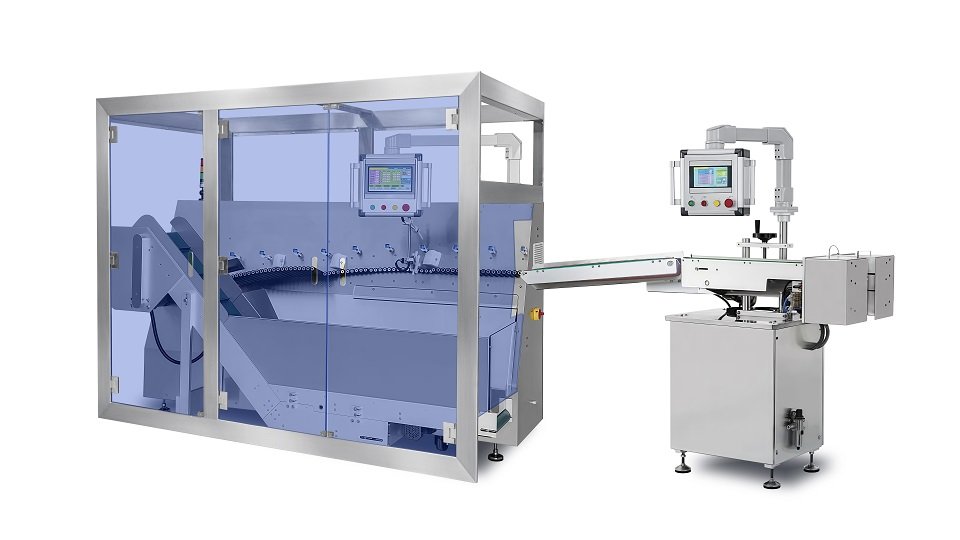 Máy phân loại túi RQ-PA-400 từ Rich Packing
Đầu tiên, các stick pack đi vào máy phân loại túi thông qua hệ thống nạp liệu chạy bằng điện đa tầng dựa trên ma trận. Thiết kế nạp liệu đa tầng giúp ngăn các stick pack bị ép vào nhau trong quá trình nạp và đảm bảo nguồn cung cấp vật liệu liên tục. Phễu cũng được thiết kế để giảm thiểu lượng stick pack còn sót lại ở đáy, cho phép việc nạp liệu tiếp tục mà không cần sự can thiệp thủ công. Điều này tạo ra sự kết nối ổn định hơn giữa đầu ra liên tục của máy đóng gói stick pack và quy trình phân loại ở hạ nguồn.
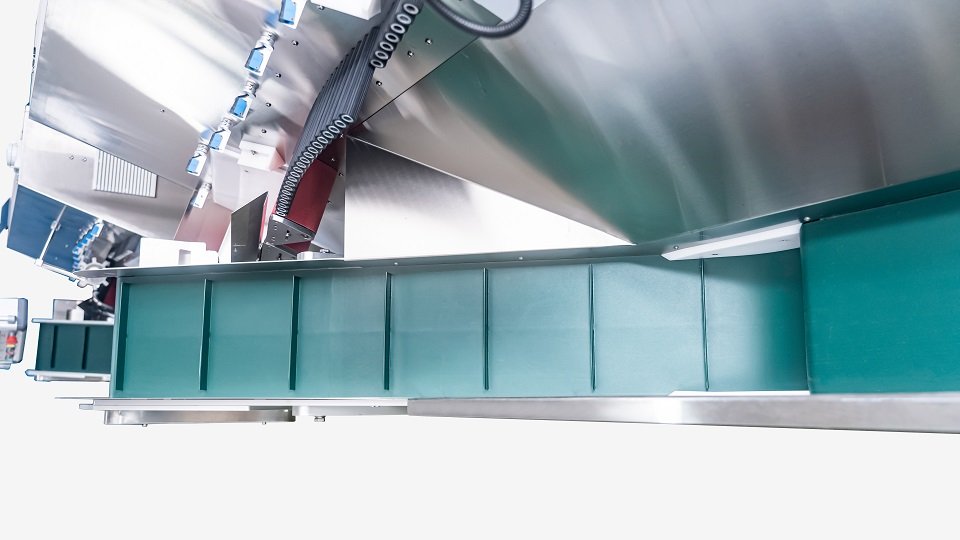 hệ thống nạp liệu chạy bằng điện đa tầng dựa trên ma trận
Sau đó, các stick pack đi qua phần tách dựa trên con lăn. Khi nhiều gói bị chồng lên nhau hoặc đến cùng lúc, các con lăn sẽ tách chúng thành một dòng đơn lẻ. Điều này ngăn các gói bị chồng chất hoặc dính liền tiếp tục đi xuống hạ nguồn theo nhóm và tạo ra điều kiện nạp liệu cơ bản cần thiết để sắp xếp và đếm chính xác.
Đặc biệt, để phối hợp chuyển động của các con lăn và tách các stick pack một cách chính xác, 11 động cơ servo được kết nối. Hệ thống điều khiển servo đồng bộ hóa chính xác đầu ra với khoảng cách di chuyển và thời gian của các con lăn, cho phép phản hồi khởi động-dừng nhanh chóng và độ chính xác điều khiển chuyển động cao. Kết quả là, các stick pack có thể được sắp xếp liên tục và trơn tru thay vì tích tụ hoặc di chuyển không đều.
Sau khi các gói được tách và sắp xếp, hệ thống kiểm tra thị giác dựa trên camera và điều khiển bằng máy tính sẽ phát hiện hướng của chúng và tự động điều chỉnh hướng khi cần thiết. Điều này có tầm quan trọng cao đối với các stick pack đến từ nhiều làn, nơi các gói có thể rời khỏi máy đóng gói stick pack theo các hướng khác nhau. Bằng cách điều chỉnh hướng của chúng trước khi đóng hộp, máy gom và đếm túi giúp đảm bảo rằng các gói đi vào máy đóng hộp ở vị trí và hướng nhất quán.
Sau đó, máy phân loại túi sẽ đếm và nhóm các stick pack này theo số lượng đặt trước. Ví dụ, nếu mỗi hộp yêu cầu 10 stick pack, hệ thống có thể tự động đếm và tổ chức các gói thành các nhóm 10 trước khi nạp chúng vào máy đóng hộp thông qua băng tải. Tỷ lệ lỗi đếm dưới 0,009%, giúp duy trì số lượng ổn định trong mỗi hộp.
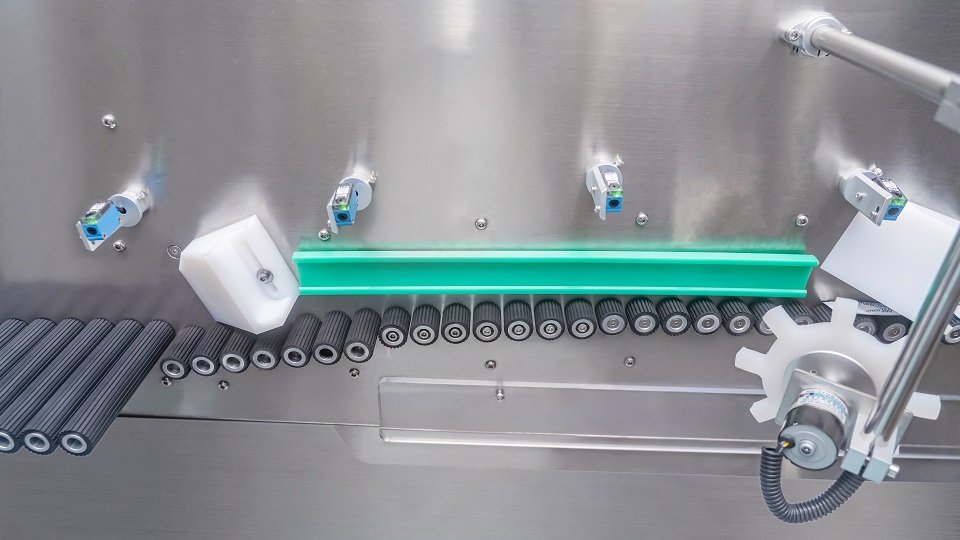 Cảm biến quang điện của Rich Packing’s máy phân loại túi
Hơn nữa, để duy trì hoạt động ổn định trong suốt quá trình, các trạm nạp liệu, vận chuyển, sắp xếp và tách được trang bị hệ thống điều khiển chuyển động và cảm biến quang điện với phản hồi thời gian thực.
Theo cách này, mỗi chức năng của máy phân loại túi giải quyết trực tiếp các thách thức cụ thể trong việc đóng hộp stick pack. Hệ thống nạp liệu đa tầng cung cấp nguồn cung cấp vật liệu liên tục và ổn định, giảm tác động của biến động vận hành giữa máy đóng gói stick pack và máy đóng hộp. Việc tách bằng con lăn ngăn các gói bị chồng chất và dính liền đi vào quy trình hạ nguồn cùng nhau, trong khi việc sắp xếp được điều khiển bằng servo tạo ra một dòng chảy nhất quán và có trật tự. Hệ thống kiểm tra thị giác sửa các hướng gói không đúng, và việc đếm và nhóm tự động đảm bảo rằng mỗi hộp nhận được số lượng stick pack theo yêu cầu.
Do đó, máy phân loại túi không đơn thuần là một thiết bị vận chuyển giữa hai máy. Nó đóng vai trò là hệ thống điều khiển và chuyển tiếp giữa đóng gói sơ cấp và thứ cấp, chuyển đổi các stick pack được xả ngẫu nhiên thành các nhóm được đếm chính xác, định hướng đúng và sắp xếp nhất quán, sẵn sàng cho đóng hộp tự động.
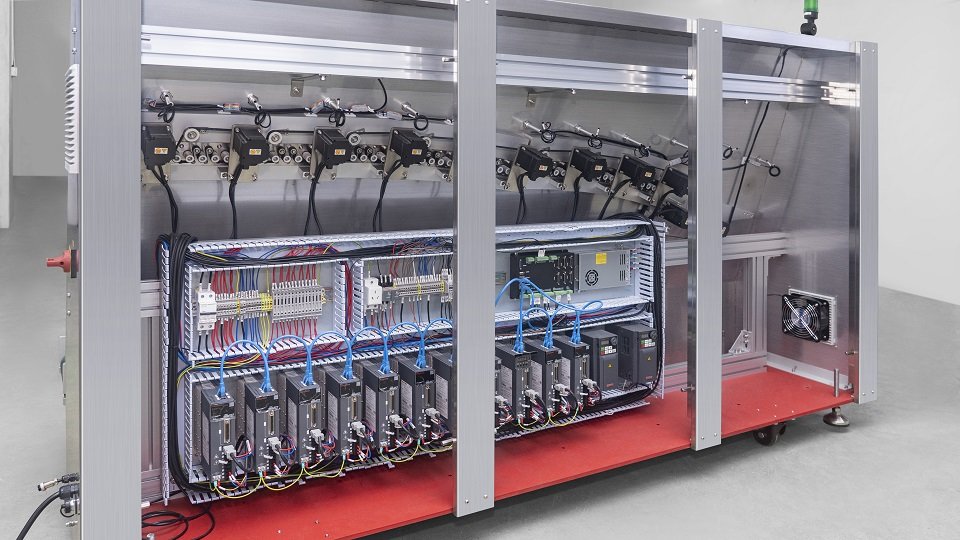 Tủ điện được tổ chức tốt của Rich Packing’s máy phân loại túi
Máy phân loại túi có thể giải quyết các thách thức xử lý trung gian, nhưng giá trị đầy đủ của nó trở nên rõ ràng hơn khi được xem xét như một phần của dây chuyền đóng hộp stick pack hoàn chỉnh. Phần này xem xét cách ba máy hoạt động cùng nhau và kiểm tra những lợi ích tổng thể của việc tích hợp chúng thành một giải pháp đóng gói.
Một dây chuyền đóng hộp stick pack hoàn chỉnh kết nối ba giai đoạn chính: sản xuất stick pack, phân loại và đếm, và đóng hộp. Mỗi máy thực hiện một chức năng khác nhau, và các băng tải giữa chúng tạo ra dòng vật liệu liên tục từ đóng gói sơ cấp đến đóng gói thứ cấp.
Dây chuyền đóng gói bắt đầu với máy đóng gói stick pack, hoàn thành quy trình đóng gói sơ cấp. Trong giai đoạn này, máy thực hiện tạo hình màng, nạp vật liệu, hàn kín và cắt để tạo ra các stick pack riêng lẻ. Sau khi sản xuất, các stick pack thành phẩm được thu gom và chuyển sang giai đoạn tiếp theo.
Các stick pack sau đó được nạp vào phễu của máy phân loại túi. Khi các stick pack đi vào, chúng trải qua các quy trình nạp liệu, tách, sắp xếp, điều chỉnh hướng và đếm được mô tả trong phần trước. Máy phân loại chuyển đổi các gói được xả ngẫu nhiên thành các nhóm có tổ chức với số lượng xác định và hướng nhất quán. Các nhóm đã chuẩn bị này sau đó được chuyển về phía máy đóng hộp thông qua băng tải.
Máy đóng hộp nhận các stick pack đã được tổ chức và hoàn thành quy trình đóng gói thứ cấp. Nó mở hộp, nạp số lượng stick pack và tờ hướng dẫn thông tin cần thiết vào hộp, sau đó hoàn thành việc đóng hộp và các hoạt động hạ nguồn khác theo quy trình đóng gói đã cấu hình.
Các băng tải làm được nhiều việc hơn là chỉ vận chuyển sản phẩm. Chúng giúp thiết lập sự chuyển tiếp ổn định giữa các giai đoạn xử lý khác nhau. Điều này tạo ra dòng vật liệu phối hợp hơn và giảm nhu cầu chuyển thủ công giữa các máy riêng lẻ.
Việc phân chia chức năng cho phép mỗi máy thực hiện quy trình mà nó được thiết kế, trong khi các băng tải và hệ thống điều khiển kết nối các giai đoạn riêng lẻ thành một quy trình đóng gói.
Ưu điểm chính của việc tích hợp ba máy là nó kết nối các quy trình đóng gói sơ cấp và đóng gói thứ cấp thành một hệ thống sản xuất liên tục. Thay vì coi việc sản xuất stick pack và đóng hộp là hai hoạt động riêng biệt, các gói thành phẩm có thể di chuyển trực tiếp từ giai đoạn này sang giai đoạn tiếp theo với sự can thiệp thủ công tối thiểu.
Trong một cơ sở sản xuất điển hình, máy đóng gói stick pack thuộc giai đoạn đóng gói sơ cấp, trong khi đóng hộp thuộc về đóng gói thứ cấp. Hai quy trình có thể được đặt ở các khu vực sản xuất khác nhau do bố trí của nhà máy và sắp xếp phòng đóng gói.
Máy phân loại túi cung cấp một giải pháp trung gian đơn giản hơn. Nó nhận các stick pack thành phẩm sau khi đóng gói sơ cấp và xử lý chúng thành các nhóm có tổ chức và được đếm chính xác trước khi chúng chuyển sang đóng gói thứ cấp. Điều này cho phép hai giai đoạn đóng gói làm việc cùng nhau mà không yêu cầu toàn bộ bố trí sản xuất phải được xây dựng xung quanh một kết nối trực tiếp dài.
Cấu hình linh hoạt cũng quan trọng đối với các nhà máy nơi không gian sàn có sẵn bị hạn chế hoặc nơi các khu vực đóng gói sơ cấp và thứ cấp được tách biệt về mặt vật lý.
Thay vì yêu cầu một kết nối dài giữa máy đóng gói stick pack và máy đóng hộp, các nhà sản xuất có thể định vị thiết bị phân loại theo bố trí sản xuất thực tế của họ. Do đó, trọng tâm không chỉ đơn thuần là kết nối các máy trên khoảng cách ngắn nhất có thể, mà là tạo ra một quy trình xử lý vật liệu thiết thực trong môi trường nhà máy hiện có. Điều này mang lại cho các nhà sản xuất sự tự do hơn khi lập kế hoạch hoặc nâng cấp các khu vực đóng gói của họ.
Một ưu điểm khác là giảm thiểu sự can thiệp thủ công giữa khâu đóng gói sơ cấp và thứ cấp. Việc thu gom và nạp lại thủ công không chỉ đòi hỏi thêm nhân công mà còn dẫn đến nhiều rủi ro về đếm sai, gói hàng lộn xộn hoặc gián đoạn quá trình nạp liệu.
Bằng cách tự động hóa việc phân loại, điều chỉnh hướng, đếm, nhóm và chuyển tải, dây chuyền tích hợp giúp đơn giản hóa quá trình chuyển tiếp giữa các máy. Người vận hành không còn cần phải can thiệp liên tục chỉ để chuẩn bị các gói stick pack cho công đoạn đóng gói tiếp theo. Điều này làm cho quy trình tổng thể phù hợp hơn với các nhà sản xuất đang theo đuổi mức độ tự động hóa đóng gói.
Dây chuyền đóng gói tích hợp cũng có thể cải thiện hiệu suất sản xuất bằng cách giảm các thao tác thủ công lặp đi lặp lại. Nếu không có giai đoạn phân loại và đếm tự động, người vận hành có thể cần phải thu gom các gói stick pack được xả ra ngẫu nhiên, tách chúng, đếm, sắp xếp và nạp lại nhiều lần vào máy đóng hộp.
Với máy phân loại túi đóng vai trò là giai đoạn xử lý trung gian, các nhiệm vụ này được thực hiện tự động trong khi dây chuyền sản xuất đang chạy. Do đó, người vận hành có thể tập trung nhiều hơn vào việc giám sát thiết bị, cung cấp vật liệu, kiểm tra chất lượng và quản lý sản xuất thay vì xử lý các gói hàng lặp đi lặp lại.
Sự cải thiện này không chỉ đơn thuần là vấn đề tăng tốc độ máy. Nó đến từ việc giảm thiểu sự gián đoạn và các khâu chuyển tiếp không cần thiết giữa các quy trình, cho phép các máy thượng nguồn và hạ nguồn vận hành như một hệ thống liên tục hơn. Trong trường hợp này, nó có thể giảm chi phí cho các nhà sản xuất dược phẩm và thực phẩm chức năng.
Cấu hình tích hợp cũng cải thiện tính liên tục của dòng vật liệu. Máy đóng gói stick pack và máy đóng hộp có thể có các đặc tính vận hành khác nhau và sản lượng thực tế của chúng có thể dao động trong quá trình sản xuất. Các băng tải kết nối và hệ thống phân loại cung cấp một sự chuyển tiếp trung gian giữa hai quy trình.
Điều này có nghĩa là sự thay đổi tạm thời trong sản lượng của máy đóng gói stick pack không nhất thiết phải chuyển trực tiếp sang máy đóng hộp. Các giai đoạn phân loại và vận chuyển có thể giúp duy trì nguồn cung cấp gói hàng được kiểm soát tốt hơn cho quá trình đóng hộp. Đối với các dây chuyền sản xuất chạy trong thời gian dài, loại dòng vật liệu phối hợp này có thể quan trọng để giảm thiểu các điểm dừng không cần thiết và duy trì nhịp độ sản xuất ổn định hơn.
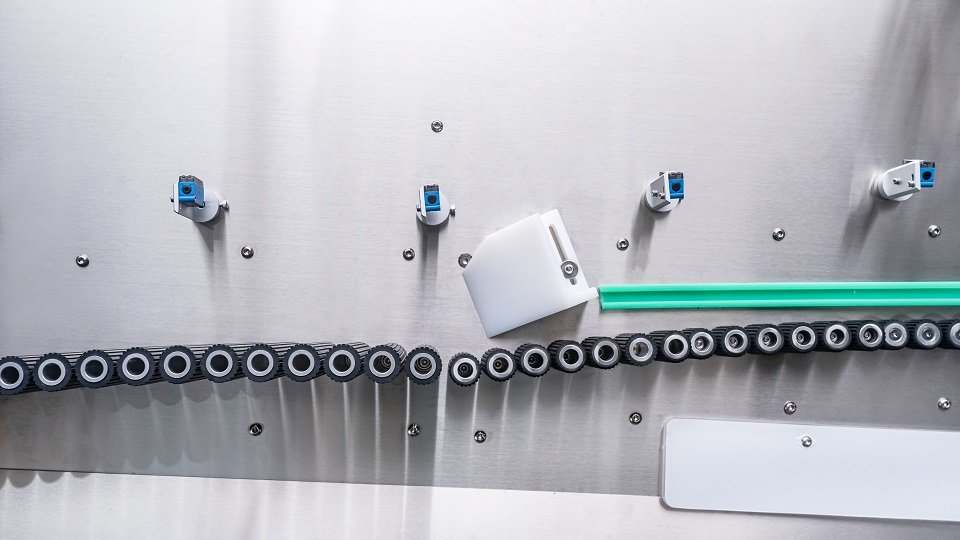 Con lăn điều khiển bằng servo
Trước khi đến máy đóng hộp, các gói stick pack đã trải qua quá trình tách, sắp xếp, điều chỉnh hướng và đếm. Thế nên máy đóng hộp nhận vật liệu trong tình trạng nhất quán hơn so với việc nhận từ một máy đóng gói stick pack xả hàng ngẫu nhiên. Điều này giúp tạo ra sự nhất quán cao hơn trong việc nạp hộp, đặc biệt là khi mỗi hộp phải chứa một số lượng gói stick pack cố định được sắp xếp theo một cách cụ thể.
Điều này đặc biệt có giá trị đối với các sản phẩm dược phẩm và thực phẩm chức năng, nơi việc duy trì dòng vật liệu được kiểm soát và giảm tiếp xúc thủ công không cần thiết có thể góp phần tạo ra quy trình đóng gói nhất quán hơn.
Dây chuyền đóng gói có thể được điều chỉnh cho các yêu cầu sản xuất khác nhau. Máy đóng gói stick pack có thể được lựa chọn tùy theo sản phẩm và sản lượng yêu cầu. Máy phân loại túi có thể được cấu hình để xử lý lưu lượng, yêu cầu đếm và kiểu sắp xếp tương ứng, và máy đóng hộp được cấu hình theo kích thước hộp và số lượng gói yêu cầu trên mỗi hộp. Như vậy, các nhà sản xuất có thể xây dựng một dây chuyền đóng gói dựa trên các yêu cầu sản xuất thực tế của họ.
Rich Packing’s dây chuyền đóng hộp stick pack
Việc kết nối máy đóng gói stick pack với máy đóng hộp có thể bao gồm một số thách thức, bao gồm dòng vật liệu không ổn định và khó khăn trong việc đếm và nhóm các gói cho khâu đóng hộp hạ nguồn. Máy phân loại túi cung cấp giải pháp hiệu quả bằng cách đảm nhận việc chuẩn bị trung gian các gói stick pack.
Thông qua việc nạp liệu, tách, sắp xếp, điều chỉnh hướng và đếm tự động được kiểm soát, máy tập hợp và đếm túi biến đầu ra từ quy trình stick pack thành một dòng vật liệu có tổ chức và sẵn sàng cho việc đóng hộp. Theo cách này, nó đóng vai trò là mắt xích quan trọng giữa sản xuất stick pack sơ cấp và đóng gói hộp thứ cấp.
Tại Rich Packing, chúng tôi có thể cung cấp các giải pháp dây chuyền đóng gói stick pack chuyên nghiệp dựa trên nhu cầu sản xuất, thông số kỹ thuật gói, công suất và yêu cầu đóng gói hộp của bạn. Các giải pháp của chúng tôi bao gồm máy phân loại túi tiên tiến cũng như dây chuyền đóng hộp stick pack hoàn chỉnh, với dịch vụ lắp đặt, chạy thử và đào tạo người vận hành chuyên nghiệp để giúp khách hàng đạt được quy trình sản xuất trơn tru và đáng tin cậy.
Máy phân loại túi được sử dụng để tổ chức và chuẩn bị các gói stick pack được xả ra ngẫu nhiên trước khi chúng đi vào máy đóng hộp. Nó có thể thực hiện việc tách, sắp xếp, điều chỉnh hướng, đếm và nhóm, giúp cung cấp cho máy đóng hộp một dòng gói stick pack được kiểm soát và có tổ chức hơn.
Máy đóng gói stick pack tập trung vào việc sản xuất các gói stick pack riêng lẻ liên tục, trong khi máy đóng hộp yêu cầu các gói phải được cung cấp với số lượng, hướng và cách sắp xếp cụ thể. Máy phân loại túi thu hẹp sự khác biệt này bằng cách chuẩn bị các gói stick pack cho việc nạp hộp hạ nguồn.
Có. Máy tập hợp và đếm túi có thể tự động đếm và nhóm các gói stick pack theo số lượng đặt trước. Ví dụ, nếu mỗi hộp yêu cầu 10 gói stick pack, máy có thể đếm và sắp xếp các gói thành từng nhóm 10 trước khi gửi chúng đến máy đóng hộp. Tỷ lệ sai sót khi đếm là dưới 0,009%.
Có. Máy sử dụng hệ thống kiểm tra thị giác dựa trên camera và hệ thống điều khiển bằng máy tính để phát hiện hướng của các gói stick pack và tự động điều chỉnh hướng của chúng khi cần thiết. Điều này giúp đảm bảo rằng các gói đi vào máy đóng hộp theo một hướng nhất quán.
Có. Cấu hình thiết bị có thể được thiết kế theo sản phẩm của khách hàng, thông số kỹ thuật của gói stick pack, sản lượng yêu cầu, số lượng mỗi hộp, kích thước hộp và các yêu cầu sản xuất khác. Điều này cho phép máy đóng gói stick pack, máy phân loại túi và máy đóng hộp được cấu hình thành một giải pháp đóng gói hoàn chỉnh.

29+ years in pharmaceutical machinery, covering capsule filling, tablet pressing, blister packaging, tablet and capsule counting, cartoning, GMP production, and overseas machine service.

E-mail : manager@richpacking.cn
Building D, No. 226, Beishan Qiaotou Street, Haizhu District, Guangzhou City, Guangdong Province, China


 Mạng IPv6 được hỗ trợ