






 Trang Chủ
 Các sản phẩm
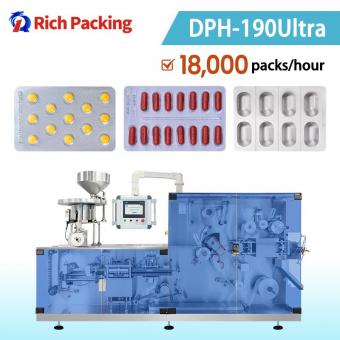
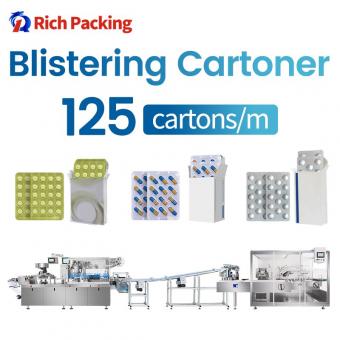
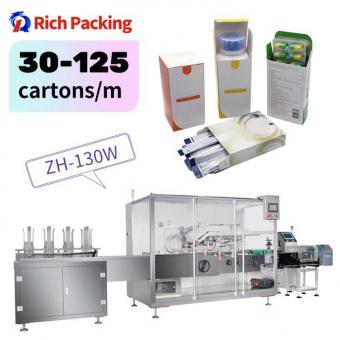
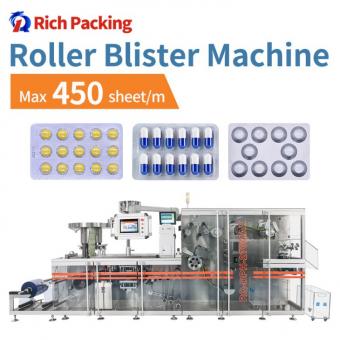
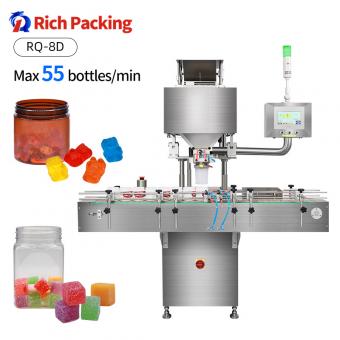
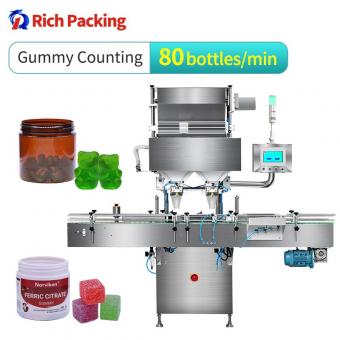
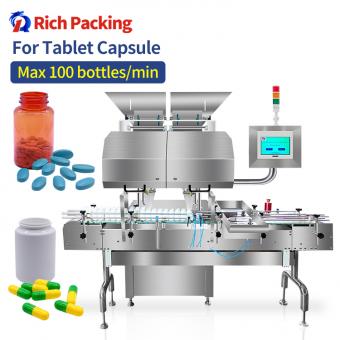
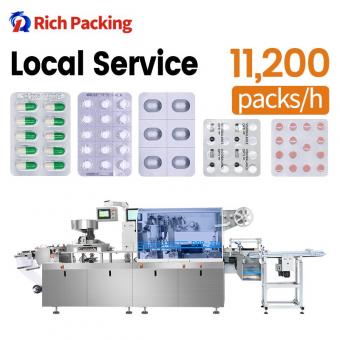
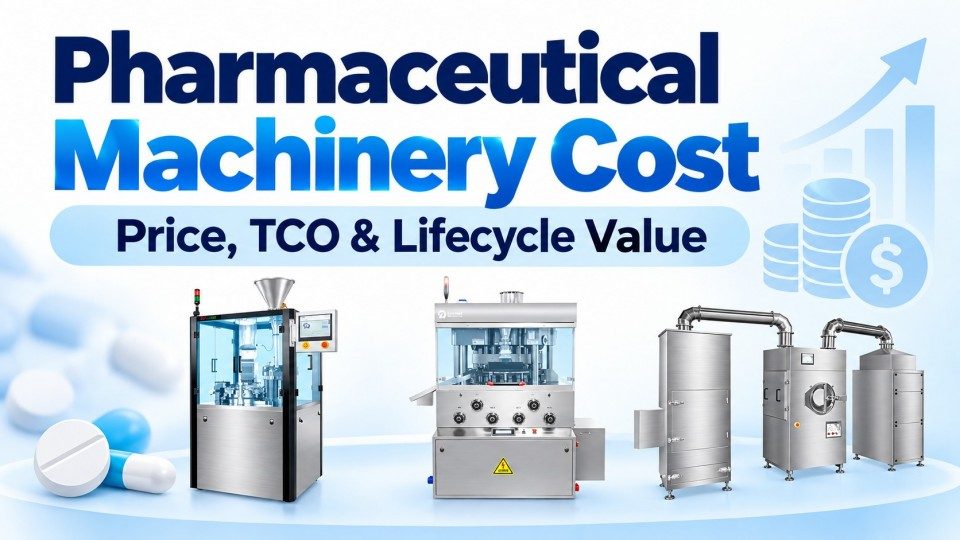
Chi phí máy móc dược phẩm là tổng tác động tài chính của việc mua sắm, lắp đặt, vận hành, bảo trì và cuối cùng là nâng cấp hoặc thay thế thiết bị được sử dụng trong sản xuất và đóng gói dược phẩm. Nó bao gồm khoản đầu tư thiết bị ban đầu, dụng cụ, lắp đặt, chạy thử, nhân công, tiện ích, bảo trì, phụ tùng thay thế, thời gian ngừng hoạt động và các chi phí vòng đời khác. Hiểu được những chi phí này giúp các nhà sản xuất so sánh thiết bị dựa trên giá trị dài hạn thay vì chỉ dựa trên giá mua.
Đối với các nhà sản xuất đang so sánh thiết bị sản xuất hoặc đóng gói, câu hỏi hữu ích không đơn thuần là: “Giá máy móc dược phẩm là bao nhiêu?” mà là: “Thiết bị này sẽ tốn bao nhiêu chi phí để sở hữu và vận hành trong năm hoặc mười năm?” Tổng chi phí sở hữu, hay TCO, cung cấp một khuôn khổ thực tế để trả lời câu hỏi đó.
Điều gì quyết định chi phí máy móc dược phẩm?
Chi phí máy móc dược phẩm phụ thuộc vào toàn bộ ứng dụng sản xuất thay vì một mức giá máy cố định. Loại thiết bị, công suất, mức độ tự động hóa, đặc tính sản phẩm, cấu tạo, dụng cụ,tần suất chuyển đổi, tài liệu và chiến lược bảo trì đều ảnh hưởng đến khoản đầu tư cuối cùng.
|
Yếu tố chi phí |
Tác động |
|
Loại thiết bị |
Các loại máy khác nhau yêu cầu các hệ thống cơ khí, điều khiển, cấp liệu, xử lý và đóng gói khác nhau |
|
Công suất sản xuất |
Sản lượng cao hơn thường đòi hỏi các hệ thống mạnh mẽ hơn và các linh kiện hiệu suất cao hơn |
|
Mức độ tự động hóa |
Thay đổi yêu cầu về nhân công, hiệu quả, hệ thống điều khiển và tích hợp dây chuyền |
|
Yêu cầu về sản phẩm |
Đặc tính sản phẩm có thể ảnh hưởng đến việc cấp liệu, dụng cụ, các bộ phận tiếp xúc và cấu hình |
|
Yêu cầu chuyển đổi |
Việc thay đổi định dạng thường xuyên ảnh hưởng đến nhu cầu về dụng cụ và thời gian sản xuất khả dụng |
|
Vật liệu và cấu tạo |
Vật liệu tiếp xúc với sản phẩm, độ hoàn thiện và thông số kỹ thuật của linh kiện ảnh hưởng đến chi phí thiết bị |
|
Tài liệu và chứng nhận |
Tài liệu, thử nghiệm, hỗ trợ chứng nhận và các yêu cầu dự án làm tăng phạm vi dự án |
|
Chiến lược bảo trì |
Bảo trì phòng ngừa và lập kế hoạch phụ tùng thay thế ảnh hưởng đến chi phí vòng đời |
Một máy đóng nang được sử dụng cho nhiều kích cỡ nang khác nhau cần nhiều bộ dụng cụ, trong khi một máy đóng gói vỉ xử lý các định dạng khác nhau cần thêm khuôn. Những yêu cầu này làm tăng chi phí thiết bị dược phẩm nhưng có thể cải thiện tính linh hoạt.
Có mức giá máy móc dược phẩm tiêu chuẩn nào không?
Không có mức giá máy móc dược phẩm tiêu chuẩn duy nhất vì các loại máy có cùng tên gọi chung có thể khác nhau về công suất, mức độ tự động hóa, vật liệu tiếp xúc với sản phẩm, dụng cụ, hệ thống điều khiển, tài liệu và phạm vi lắp đặt. Do đó, một báo giá nên được đánh giá dựa trên cấu hình kỹ thuật chính xác của nó.
Các nhà sản xuất nên xác nhận xem mỗi báo giá có bao gồm cùng loại dụng cụ, phụ kiện, chạy thử, đào tạo, hỗ trợ chứng nhận, và phụ tùng thay thế hay không. Nếu không, các mức giá tương tự có thể đại diện cho các phạm vi thiết bị rất khác nhau.
Phân tích chi phí máy móc dược phẩm: Từ CAPEX đến chi phí vòng đời
Một phân tích chi phí thiết bị dược phẩm thực tế sẽ tách biệt chi phí vốn (CAPEX) khỏi chi phí vận hành (OPEX).
CAPEX: Đầu tư thiết bị ban đầu
CAPEX bao gồm các chi phí cần thiết để mua và chuẩn bị thiết bị cho sản xuất:
- Mua máy
- Dụng cụ và các bộ phận định dạng
- Phụ kiện
- Lắp đặt
- Vận hành thử
- Đào tạo
- Hỗ trợ đánh giá chất lượng
- Tài liệu
Dụng cụ có thể rất quan trọng. Máy dập viên cần có chày và cối, máy đóng nang cần dụng cụ theo kích cỡ nang, và máy đóng vỉ cần các bộ phận tạo hình và hàn kín khác nhau.
OPEX: Chi phí vận hành thiết bị
OPEX bao gồm các chi phí thường xuyên như nhân công, điện năng, khí nén, sưởi ấm hoặc làm mát, tài nguyên vệ sinh, vật tư tiêu hao, bảo trì định kỳ và phụ tùng thay thế.
|
Danh mục chi phí |
Ví dụ |
|
Đầu tư ban đầu |
Máy móc, dụng cụ, phụ kiện |
|
Lắp đặt |
Thiết lập, vận hành thử, đào tạo |
|
Vận hành |
Nhân công, năng lượng, khí nén, tiện ích |
|
Bảo trì |
Phụ tùng thay thế, bảo trì phòng ngừa, dịch vụ |
|
Thời gian ngừng máy |
Thời gian sản xuất bị mất và hiệu suất dây chuyền thấp hơn |
|
Vòng đời |
Nâng cấp, linh kiện thay thế, sửa đổi |
Một chi phí máy đóng gói dược phẩm thực tế cần bao gồm cả CAPEX và OPEX. Một báo giá thấp hơn có thể trở nên đắt đỏ hơn khi chi phí nhân công, bảo trì, lãng phí hoặc thời gian ngừng máy cao hơn.
Tại sao giá mua đơn thuần không thể hiện chi phí thiết bị thực tế
Giá mua và chi phí sở hữu không giống nhau.
Máy A
- Giá ban đầu thấp hơn
- Điều chỉnh thủ công nhiều hơn
- Thời gian vệ sinh và chuyển đổi lâu hơn
- Phụ thuộc nhiều hơn vào kỹ năng của người vận hành
- Rủi ro ngừng máy cao hơn
Máy B
- Giá ban đầu cao hơn
- Điều chỉnh tự động nhiều hơn
- Chuyển đổi nhanh hơn
- Ít thao tác thủ công hơn
- Tính sẵn sàng sản xuất ổn định hơn
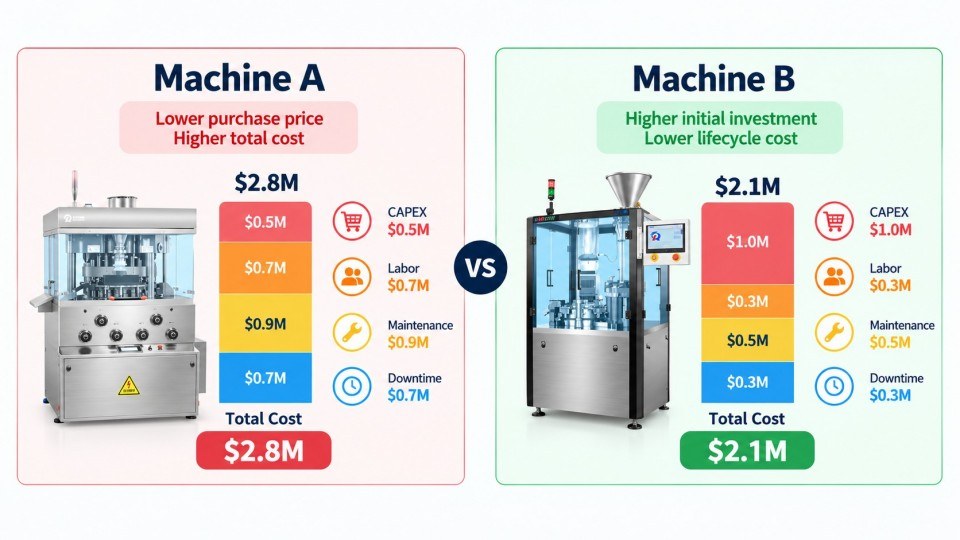
So sánh TCO của máy móc dược phẩm giữa giá mua và chi phí vòng đời
Máy A ban đầu có vẻ rẻ hơn, nhưng thời gian vận hành thêm, tổn thất sản xuất và bảo trì khắc phục có thể khiến chi phí vòng đời của nó cao hơn. Máy B đòi hỏi CAPEX cao hơn, nhưng nhu cầu nhân công thấp hơn, thời gian chuyển đổi ngắn hơn và thời gian hoạt động tốt hơn có thể làm giảm TCO. Máy đắt tiền hơn không tự động tốt hơn; khoản đầu tư thêm phải tạo ra giá trị vận hành có thể đo lường được.
Tổng chi phí sở hữu (TCO) cho máy móc dược phẩm là gì?
Tổng chi phí sở hữu (TCO) đại diện cho toàn bộ chi phí mua lại, vận hành, bảo trì và quản lý thiết bị trong suốt vòng đời hữu ích của nó.
Công thức TCO thực tế là:
TCO = Đầu tư ban đầu + Chi phí vận hành + Chi phí bảo trì + Chi phí ngừng hoạt động + Chi phí vòng đời − Giá trị còn lại
Đầu tư ban đầu bao gồm giá mua máy, dụng cụ, lắp đặt, vận hành thử và đào tạo. Chi phí vận hành bao gồm nhân công, tiện ích, tài nguyên làm sạch và vật tư tiêu hao. Chi phí bảo trì bao gồm bảo trì phòng ngừa, phụ tùng thay thế, dịch vụ và thay thế các bộ phận bị mòn.
Chi phí ngừng hoạt động là tác động tài chính của việc mất sản lượng khi thiết bị không khả dụng. Chi phí vòng đời bao gồm nâng cấp, các bộ phận định dạng mới, thay đổi điều khiển và thay thế các bộ phận chính. Giá trị còn lại là giá trị còn lại của thiết bị vào cuối thời kỳ đánh giá.
TCO hữu ích nhất khi các tùy chọn thiết bị được so sánh theo cùng các giả định tài chính và vận hành.
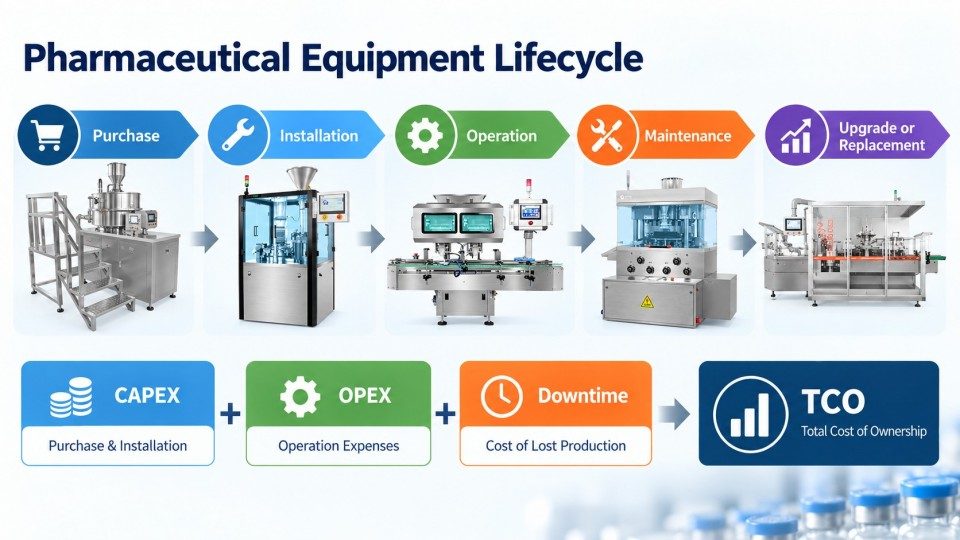
Cách tính TCO cho máy móc dược phẩm
Bước 1: Xác định thời kỳ đánh giá
Chọn một khoảng thời gian chung, chẳng hạn như năm hoặc mười năm. Tất cả các nhà cung cấp nên được so sánh trong cùng một khung thời gian.
Bước 2: Tính CAPEX
Cộng giá máy, dụng cụ, phụ kiện, lắp đặt, vận hành thử, đào tạo và hỗ trợ liên quan đến trình độ chuyên môn.
Bước 3: Ước tính OPEX
Ước tính chi phí nhân công hàng năm, điện, khí nén, sưởi ấm, làm mát, làm sạch và vật tư tiêu hao. Áp dụng các giả định tương tự cho mọi tùy chọn.
Bước 4: Ước tính bảo trì và ngừng hoạt động
Bao gồm bảo trì phòng ngừa, sử dụng phụ tùng thay thế, yêu cầu dịch vụ và giá trị sản xuất bị mất trong thời gian ngừng hoạt động theo kế hoạch và ngoài kế hoạch.
Chi phí ngừng hoạt động = Giờ sản xuất bị mất × Giá trị sản xuất mỗi giờ
Bước 5: So sánh các tùy chọn thiết bị
Sử dụng cùng khối lượng sản xuất, giờ vận hành, tỷ lệ nhân công, giá tiện ích, giả định bảo trì và thời kỳ đánh giá. Việc tính toán TCO chỉ có ý nghĩa khi cơ sở so sánh nhất quán.
Cách các loại máy dược phẩm khác nhau ảnh hưởng đến TCO
Các loại máy dược phẩm khác nhau tạo ra các mô hình TCO khác nhau.
|
Thiết bị |
Các yếu tố thúc đẩy TCO chính |
|
Máy đóng nang |
Dụng cụ, làm sạch, chuyển đổi, độ ổn định khi đóng nang, bảo trì |
|
Máy dập viên |
Chày, cối, độ ổn định nén, độ mòn dụng cụ |
|
Máy bao phim viên nén |
Năng lượng, xử lý không khí, sử dụng lớp bao, làm sạch, thời gian chu kỳ |
|
Máy đóng gói vỉ |
Dụng cụ, lãng phí vật liệu, chuyển đổi, bảo trì |
|
Máy đóng hộp |
Các bộ phận định dạng, tự động hóa, chuyển đổi, tích hợp |
Máy đóng nang
Máy đóng nang tạo ra chi phí vòng đời thông qua dụng cụ, chuyển đổi kích thước nang, làm sạch, độ ổn định khi đóng nang và bảo trì. Việc chuyển đổi chậm và làm sạch khó khăn làm giảm số giờ sản xuất, trong khi việc đóng nang không ổn định có thể làm tăng tỷ lệ loại bỏ hoặc làm lại, làm tăng TCO ngay cả khi giá ban đầu hấp dẫn.
Máy dập viên
Một máy dập viênphụ thuộc vào chày, cối, cài đặt nén, độ ổn định cấp liệu và tình trạng cơ học. Độ mòn của dụng cụ hoặc lực nén không ổn định có thể làm tăng lỗi, thời gian điều chỉnh và gián đoạn bảo trì. Sản phẩm bị loại và thời gian sản xuất bị mất có thể tốn kém hơn so với việc thay thế dụng cụ.
Máy bao phim viên nén
Một máy bao phim viên nén sử dụng điện, không khí được điều hòa, hệ thống phun, vật liệu bao phim và tài nguyên làm sạch. Quy trình không hiệu quả có thể kéo dài thời gian mẻ hoặc tăng mức sử dụng vật liệu bao phim, làm giảm số mẻ mỗi ca và tăng chi phí vận hành.
Thiết bị tạo hạt
Thiết bị tạo hạt có thể bao gồm máy tạo hạt ướt, hệ thống tầng sôi, máy nghiền và thiết bị xử lý vật liệu. TCO phụ thuộc vào thời gian chu kỳ, việc làm sạch, mức tiêu thụ năng lượng và bảo trì; việc làm sạch lâu làm giảm tính sẵn sàng, trong khi nhu cầu sấy khô cao làm tăng OPEX.
Máy đóng gói vỉ
Máy đóng gói vỉ ảnh hưởng đến TCO thông qua dụng cụ, lãng phí vật liệu, chuyển đổi định dạng, tốc độ và bảo trì. Ở khối lượng lớn, sự khác biệt nhỏ về lãng phí trở nên đáng kể, trong khi việc chuyển đổi nhanh hơn giúp cải thiện hiệu suất sử dụng dây chuyền.
Máy đếm
Một máy đếm ảnh hưởng đến TCO thông qua độ chính xác khi đếm, nhân công, bảo trì và tích hợp dây chuyền. Việc đếm đáng tin cậy giúp giảm hiệu chỉnh thủ công, trong khi tích hợp dây chuyền tốt giúp cải thiện hiệu suất sử dụng.
Máy đóng hộp
Một máy đóng hộp cần các bộ phận định dạng cho các loại hộp, tờ hướng dẫn và cấu hình sản phẩm khác nhau. Việc thay đổi định dạng nhanh hơn giúp tăng số giờ sản xuất và hiệu quả của dây chuyền đóng gói.
Máy đóng gói túi
Máy đóng gói túi hoặc máy đóng gói dạng thanh tạo ra TCO thông qua hệ thống định lượng, các bộ phận hàn kín, mức sử dụng màng, làm sạch và tính linh hoạt của định dạng. Lãng phí vật liệu và lỗi hàn kín làm tăng chi phí máy đóng gói dược phẩm, trong khi việc chuyển đổi dễ dàng hơn giúp cải thiện hiệu suất sử dụng.
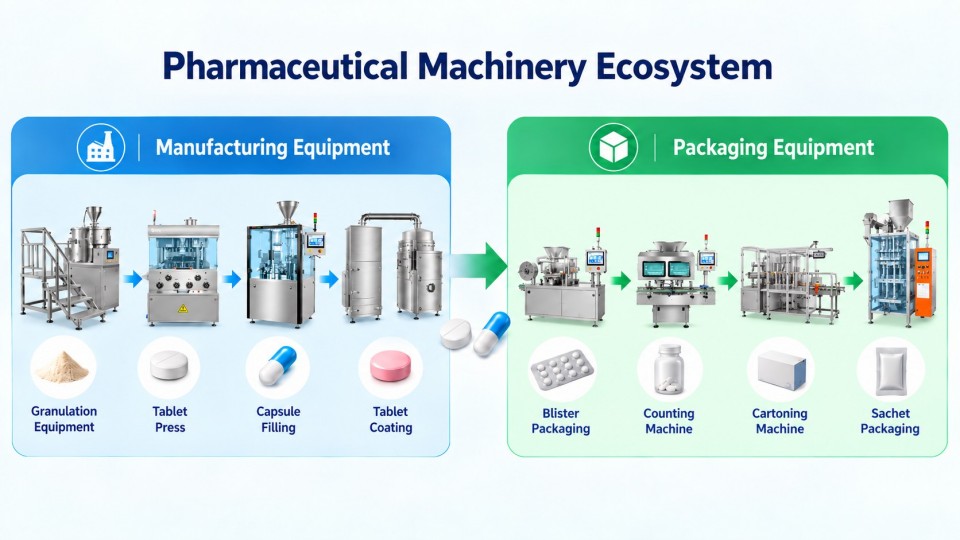
Các yếu tố chính ảnh hưởng đến chi phí vòng đời của máy móc dược phẩm
Độ tin cậy và thời gian ngừng hoạt động
Độ tin cậy ảnh hưởng đến sản lượng, lịch giao hàng và hiệu suất sử dụng nhân công. Một sự cố cũng có thể làm dừng các thiết bị được kết nối, vì vậy chi phí ngừng hoạt động có thể cao hơn nhiều so với giá của linh kiện bị hỏng.
Bảo trì và phụ tùng thay thế
Bảo trì phòng ngừa giúp xác định độ mòn trước khi nó gây ra sự gián đoạn kéo dài hơn. Tính sẵn có của phụ tùng thay thế cũng rất quan trọng: một linh kiện không đắt tiền có thể gây ra tổn thất sản xuất lớn nếu việc thay thế mất quá nhiều thời gian.
Thiết bị dược phẩm cũng phải phù hợp với mục đích sử dụng và có khả năng được làm sạch và bảo trì. Hướng dẫn CGMP của FDA giải quyết cụ thể về thiết kế, làm sạch và bảo trì thiết bị, trong khi hướng dẫn trình độ của WHO bao gồm thiết bị và các tiện ích hỗ trợ trong suốt vòng đời của chúng.
Hiệu quả chuyển đổi
Các nhà máy sản xuất nhiều sản phẩm cần xem xét tần suất thay đổi dụng cụ, định dạng hoặc các bộ phận tiếp xúc. Việc điều chỉnh và làm sạch nhanh hơn giúp tăng thời gian sản xuất khả dụng, đặc biệt là khi sự đa dạng của SKU tăng lên.
Năng lượng và tiện ích
Điện, khí nén, chân không, sưởi ấm, làm mát và không khí được điều hòa góp phần vào OPEX. Các quy trình tiêu tốn nhiều năng lượng nên được đánh giá dựa trên số giờ vận hành hàng năm, không chỉ dựa trên công suất lắp đặt.
Cách so sánh các nhà cung cấp máy móc dược phẩm bằng TCO và ROI
TCO và ROI trả lời các câu hỏi khác nhau.
TCO hỏi: “Chi phí sở hữu thiết bị này là bao nhiêu?”
ROI hỏi: “Khoản đầu tư này tạo ra giá trị gì?”
Một cỗ máy có thể có TCO cao hơn nhưng vẫn mang lại ROI mạnh mẽ hơn nếu sản lượng lớn hơn, tiết kiệm nhân công hoặc ít thời gian ngừng hoạt động hơn tạo ra nhiều giá trị hơn.
Khi so sánh các nhà cung cấp, hãy xem xét:
- Phạm vi thiết bị
- Phụ kiện đi kèm
- Dụng cụ và các bộ phận định dạng
- Lắp đặt và chạy thử
- Đào tạo
- Khả năng cung cấp phụ tùng thay thế
- Tài liệu
- Hỗ trợ đánh giá chất lượng
- Dịch vụ kỹ thuật
- Khả năng nâng cấp
- Hỗ trợ vòng đời sản phẩm
Khi so sánh các nhà cung cấp, nhà sản xuất cũng nên xem xét mức độ hỗ trợ vòng đời sản phẩm sau khi giao hàng, vì phản hồi dịch vụ, tài liệu, đào tạo và hỗ trợ phụ tùng thay thế có thể ảnh hưởng trực tiếp đến thời gian ngừng hoạt động và chi phí vận hành dài hạn.Rich Packing hỗ trợ vận hành thiết bị lâu dài với bảo hành máy một năm, bảo hành ba năm cho các linh kiện cốt lõi, tài liệu FAT và IQ/OQ/PQ, hỗ trợ kỹ thuật từ xa, lắp đặt và đào tạo tại chỗ, cùng dịch vụ hỗ trợ ở nước ngoài. Các dịch vụ này có thể giúp rút ngắn thời gian phản hồi bảo trì, giảm thời gian ngừng hoạt động không đáng có và cải thiện giá trị thiết bị trong suốt vòng đời của nó.
Danh mục kiểm tra đầu tư máy móc dược phẩm
Trước khi mua thiết bị, hãy đánh giá:
- Yêu cầu sản xuất và các loại sản phẩm
- Công suất yêu cầu và các ca vận hành
- Mức độ tự động hóa phù hợp
- Tần suất thay đổi quy trình
- Yêu cầu vệ sinh
- Dụng cụ và các bộ phận định dạng
- Mức tiêu thụ tiện ích
- Chiến lược bảo trì
- Khả năng cung cấp phụ tùng thay thế
- Đào tạo
- Hỗ trợ chạy thử và đánh giá chất lượng
- Tác động của thời gian ngừng hoạt động
- Nhu cầu nâng cấp
- Chi phí vòng đời dự kiến
Khoản đầu tư thiết bị tốt nhất là khoản đầu tư phù hợp với ứng dụng và cân bằng được chi phí, độ tin cậy, tính linh hoạt, công suất và giá trị lâu dài.
Kết luận
Máy dược phẩm rẻ nhất không phải lúc nào cũng là khoản đầu tư có chi phí thấp nhất. Giá mua chỉ là phần đầu tiên của bức tranh tài chính.
Một đánh giá đầy đủ hơn cần xem xét:
Giá mua + Chi phí vận hành + Bảo trì + Thời gian ngừng hoạt động + Giá trị vòng đời
Việc sử dụng Tổng chi phí sở hữu (TCO) mang lại cho các nhà sản xuất một cách nhất quán để so sánh giá máy móc dược phẩm, chi phí vận hành, nhu cầu bảo trì và giá trị lâu dài. Với các giả định giống hệt nhau, TCO có thể tiết lộ những khác biệt về chi phí vốn không thể nhìn thấy trong báo giá ban đầu và hỗ trợ quyết định đầu tư thiết bị thực tế hơn.
Câu hỏi thường gặp
1. Những chi phí nào thường bị bỏ qua khi lập ngân sách cho máy móc dược phẩm?
Các chi phí thường bị bỏ qua bao gồm dụng cụ bổ sung, các bộ phận định dạng, tiện ích, đào tạo người vận hành, phụ tùng thay thế, hỗ trợ đánh giá chất lượng, thời gian vệ sinh và thời gian ngừng sản xuất. Những mục này có vẻ nhỏ lẻ nhưng có thể thay đổi đáng kể tổng đầu tư trong vài năm.
2. Làm thế nào để ước tính chi phí ngừng hoạt động cho thiết bị dược phẩm?
Ước tính giá trị sản xuất bị mất trong thời gian thiết bị ngừng hoạt động, sau đó cộng thêm chi phí nhân công và các tổn thất liên quan trên dây chuyền nếu có. Một điểm khởi đầu đơn giản là: Chi phí ngừng hoạt động = Số giờ sản xuất bị mất × Giá trị sản xuất mỗi giờ.
3. Khi nào mức độ tự động hóa cao hơn biện minh cho mức giá máy móc cao hơn?
Mức độ tự động hóa cao hơn dễ biện minh hơn khi nó giúp giảm bớt lao động lặp đi lặp lại, cải thiện khả năng tích hợp dây chuyền, rút ngắn thời gian chuyển đổi hoặc hỗ trợ khối lượng sản xuất lớn hơn. Đối với sản xuất khối lượng thấp hoặc thường xuyên thay đổi, khoản đầu tư bổ sung có thể không phải lúc nào cũng mang lại đủ lợi ích vận hành.
4. Nhà cung cấp nên cung cấp thông tin gì để so sánh TCO công bằng?
Hãy yêu cầu nhà cung cấp cung cấp phạm vi thiết bị hoàn chỉnh, dụng cụ, tiện ích, yêu cầu bảo trì, phụ tùng thay thế được khuyến nghị, phạm vi lắp đặt và vận hành thử, đào tạo, tài liệu, bảo hành và hỗ trợ kỹ thuật. Việc so sánh các phạm vi giống hệt nhau sẽ ngăn chặn việc báo giá thấp hơn trông có vẻ rẻ hơn chỉ vì các hạng mục quan trọng bị loại trừ.
5. TCO của máy móc dược phẩm nên được xem xét bao lâu một lần?
TCO nên được xem xét khi khối lượng sản xuất, chi phí lao động, giá tiện ích, yêu cầu bảo trì, hỗn hợp sản phẩm hoặc mức độ sử dụng thiết bị thay đổi đáng kể. Việc kiểm tra lại các giả định này giúp các nhà sản xuất xác định xem khoản đầu tư ban đầu có còn hoạt động như mong đợi trong suốt vòng đời của nó hay không.
Tài liệu tham khảo
- Cục Quản lý Thực phẩm và Dược phẩm Hoa Kỳ (FDA), Các câu hỏi và câu trả lời về các yêu cầu Thực hành sản xuất tốt hiện hành: Thiết bị.
- Tổ chức Y tế Thế giới (WHO), Đảm bảo chất lượng dược phẩm: Tuyển tập các hướng dẫn và tài liệu liên quan, Tập 2: Thực hành sản xuất tốt và Kiểm tra.
- Tổ chức Y tế Thế giới (WHO), Hướng dẫn về Thực hành sản xuất tốt: Thẩm định và Đánh giá trình độ.
- Ủy ban Châu Âu, EudraLex Tập 4, Hướng dẫn của EU về Thực hành sản xuất tốt, Phần I, Chương 3: Cơ sở vật chất và Thiết bị.


 Mạng IPv6 được hỗ trợ