






 Trang Chủ
 Các sản phẩm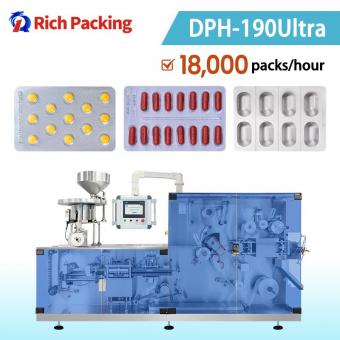
29+ years in pharmaceutical machinery, covering capsule filling, tablet pressing, blister packaging, tablet and capsule counting, cartoning, GMP production, and overseas machine service.

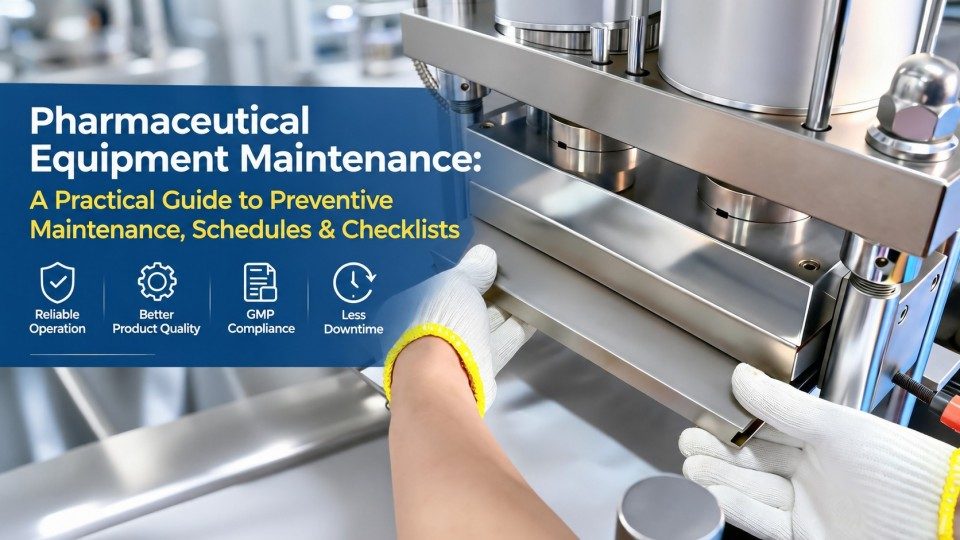
Bảo trì thiết bị dược phẩm là hệ thống có tổ chức bao gồm kiểm tra, bôi trơn, điều chỉnh, thay thế linh kiện, giám sát tình trạng và các biện pháp kiểm soát liên quan nhằm giữ cho máy móc sản xuất và đóng gói luôn đáng tin cậy và phù hợp với mục đích sử dụng. Cùng với việc vệ sinh, hiệu chuẩn và thẩm định, bảo trì giúp giảm thiểu thời gian ngừng máy ngoài dự kiến, các lỗi liên quan đến thiết bị, rủi ro nhiễm chéo và các vấn đề về an toàn.
Khác với phương pháp vận hành đến khi hỏng, một chương trình bảo trì có cấu trúc sử dụng các công việc được lập kế hoạch, tình trạng thiết bị, lịch sử vận hành và rủi ro để xác định những gì cần kiểm tra và thời điểm kiểm tra. Theo GMP, việc bảo trì cũng phải tuân thủ các quy trình đã được phê duyệt và các biện pháp kiểm soát tài liệu phù hợp.
Bảo trì thiết bị dược phẩm bao gồm các hoạt động về cơ khí, điện, khí nén và điều khiển cần thiết để giữ cho máy móc sản xuất và đóng gói vận hành chính xác.
Công việc điển hình bao gồm bôi trơn các bộ phận chuyển động, kiểm tra và thay thế các bộ phận hao mòn như gioăng, vòng bi, dây đai, cam và dụng cụ, kiểm tra độ thẳng hàng, kiểm tra hệ thống khí nén và chân không, thử nghiệm các thiết bị an toàn, và điều tra các hiện tượng rung lắc, tiếng ồn, nhiệt độ bất thường hoặc cảnh báo của máy.
Bảo trì có liên quan đến vệ sinh, hiệu chuẩn và thẩm định, nhưng chúng không giống nhau:
FDA 21 CFR 211.67 yêu cầu thiết bị phải được vệ sinh và bảo trì theo các khoảng thời gian thích hợp để ngăn ngừa sự cố hoặc nhiễm chéo. Các quy trình bằng văn bản cần xác định trách nhiệm, lịch trình, phương pháp và các biện pháp kiểm soát liên quan.
Trên thực tế, bảo trì thiết bị dược phẩm thường liên quan đến các nhóm kỹ thuật, sản xuất và chất lượng. Bộ phận kỹ thuật thực hiện công việc chuyên môn, người vận hành báo cáo các tình trạng bất thường, và hệ thống quản lý chất lượng kiểm soát các quy trình, sai lệch, hồ sơ và việc đưa thiết bị vào sử dụng khi cần thiết.
Các cơ sở dược phẩm thường sử dụng kết hợp nhiều chiến lược bảo trì.
Bảo trì phòng ngừa (PM) là công việc được lập kế hoạch thực hiện theo các khoảng thời gian hoặc mức độ sử dụng xác định nhằm giảm xác suất xảy ra hỏng hóc.
Các công việc điển hình bao gồm bôi trơn, thay thế bộ lọc, kiểm tra dây đai, kiểm tra gioăng, kiểm tra ốc vít và thử nghiệm thiết bị an toàn.
Lịch trình cần xem xét nhiều yếu tố hơn là chỉ tần suất theo lịch. Các yếu tố quan trọng bao gồm:
Bảo trì dự đoán và bảo trì dựa trên tình trạng sử dụng tình trạng thực tế của thiết bị để xác định thời điểm cần can thiệp.
Các chỉ số hữu ích bao gồm:
Ví dụ, những thay đổi về độ rung hoặc dòng điện động cơ của máy dập viên có thể cho thấy sự hao mòn vòng bi đang phát triển, các vấn đề về độ thẳng hàng hoặc mất cân bằng.
Giám sát tình trạng đặc biệt hữu ích đối với các thiết bị quan trọng, nơi một sự cố bất ngờ có thể ảnh hưởng đáng kể đến sản xuất hoặc chất lượng sản phẩm.
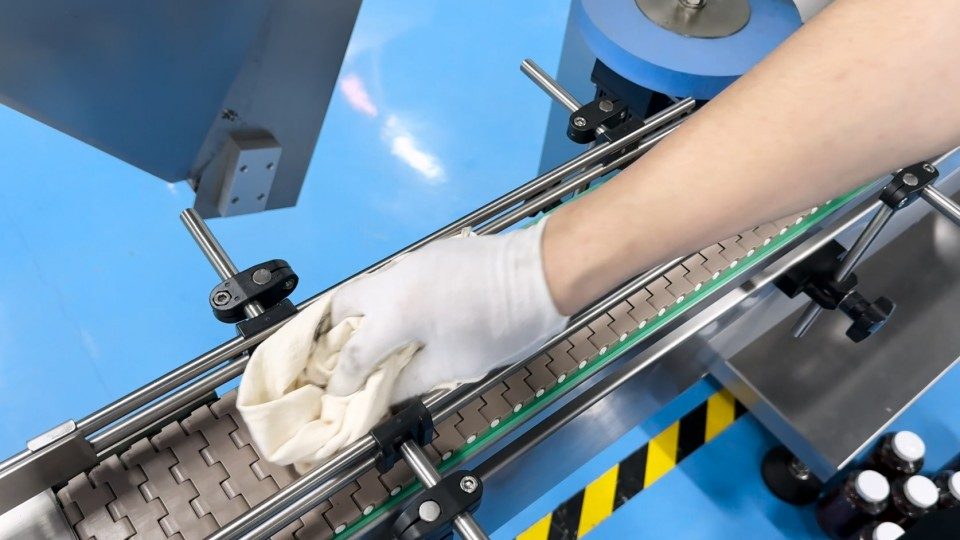
Bảo trì khắc phục là việc sửa chữa hoặc khôi phục được thực hiện sau khi xảy ra lỗi hoặc hỏng hóc.
Nó không giới hạn ở các thiết bị không quan trọng. Các máy móc dược phẩm quan trọng cũng có thể cần bảo trì khắc phục sau những hỏng hóc bất ngờ.
Nếu hỏng hóc có thể ảnh hưởng đến chất lượng sản phẩm, các điều kiện đã được thẩm định hoặc trạng thái trình độ chuyên môn của thiết bị, sự kiện này cũng có thể yêu cầu đánh giá sai lệch, điều tra, kiểm soát thay đổi hoặc CAPA theo hệ thống chất lượng của cơ sở.
Bảo trì tập trung vào độ tin cậy (RCM) là một phương pháp dựa trên rủi ro giúp xác định các chức năng quan trọng của thiết bị, các thành phần thiết yếu, các dạng hỏng hóc và hậu quả.
Nó giúp các đội bảo trì tập trung nguồn lực vào các thành phần mà nếu hỏng hóc sẽ gây ảnh hưởng lớn nhất đến chất lượng sản phẩm, sự an toàn hoặc tính liên tục của quá trình sản xuất.
Một chương trình bảo trì thiết thực cần phải có tính hệ thống và dựa trên rủi ro.
Liệt kê các thiết bị sản xuất và đóng gói như:
Ghi lại ID thiết bị, kiểu máy, số sê-ri, vị trí, mục đích sử dụng và bộ phận chịu trách nhiệm.
Đánh giá từng máy dựa trên ảnh hưởng của nó đối với:
Các thiết bị quan trọng thường yêu cầu kiểm tra kỹ lưỡng hơn và các biện pháp kiểm soát bảo trì chặt chẽ hơn so với các thiết bị phụ trợ có rủi ro thấp.
Xác định các bộ phận thường bị mòn, lệch, nhiễm bẩn hoặc hỏng hóc.
Đối với một máy dập viên, các bộ phận này có thể bao gồm chày, cối, rãnh cam, các thành phần bộ cấp liệu, vòng bi, phớt, con lăn và cảm biến.
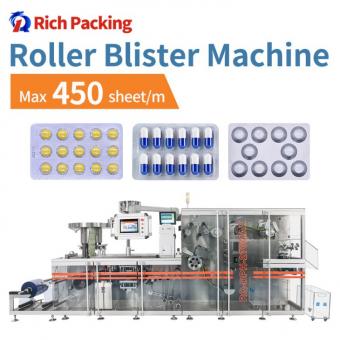
Đối với máy đóng gói vỉ, các khu vực điển hình bao gồm bộ phận gia nhiệt, khuôn tạo hình, bộ phận hàn kín, trạm cắt, xi lanh khí nén, cảm biến và các thành phần truyền động.
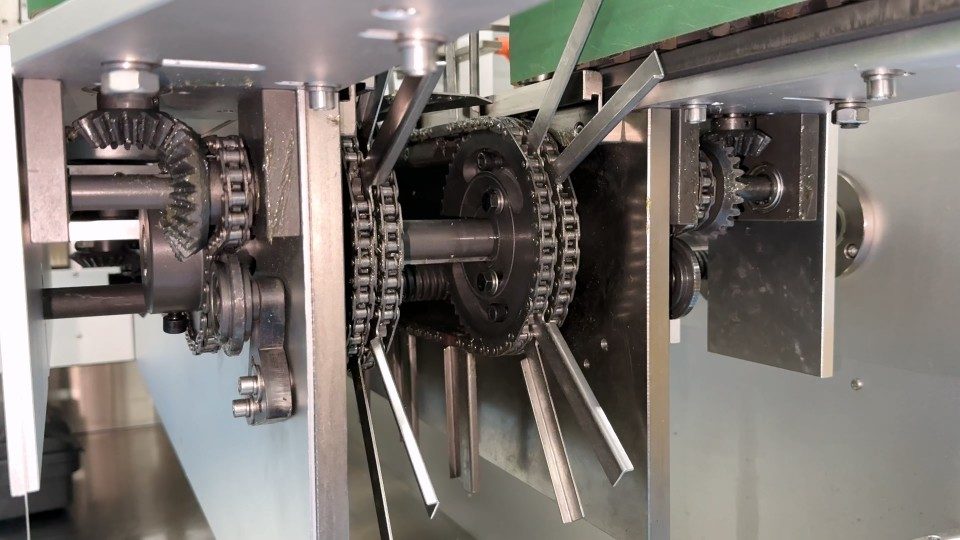
Hướng dẫn sử dụng của OEM là điểm khởi đầu quan trọng cho:
Các khuyến nghị này sau đó nên được so sánh với lịch sử vận hành thực tế. Các hỏng hóc lặp đi lặp lại, tốc độ mài mòn, số giờ vận hành và tần suất thay thế có thể cho thấy liệu các khoảng thời gian bảo trì có cần điều chỉnh hay không.
Các quy trình vận hành tiêu chuẩn (SOP) về bảo trì cần xác định:
Khoảng thời gian có thể là hàng ngày, hàng tuần, hàng tháng, hàng quý, dựa trên thời gian ngừng máy hoặc dựa trên số giờ vận hành.
Đây là các danh mục lập kế hoạch, không phải là các yêu cầu GMP phổ quát.
Hồ sơ bảo trì cần được xem xét để tìm ra các lỗi lặp lại, thời gian ngừng máy, các điều chỉnh lặp đi lặp lại và mức tiêu thụ phụ tùng thay thế bất thường.
Nếu một thay đổi có thể ảnh hưởng đến hoạt động đã được thẩm định, trạng thái hiệu chuẩn, chất lượng sản phẩm hoặc trình độ thiết bị, thì thay đổi đó cần được đánh giá thông qua các quy trình kiểm soát thay đổi và quản lý rủi ro chất lượng áp dụng tại cơ sở.
Lịch trình sau đây chỉ là ví dụ. Tần suất thực tế nên dựa trên hướng dẫn của OEM, cách sử dụng máy, tải trọng sản xuất, mức độ quan trọng của thiết bị, vật liệu được xử lý và lịch sử bảo trì.
|
Tần suất |
Các nhiệm vụ bảo trì điển hình |
Hồ sơ |
|
Hàng ngày / Theo ca |
Kiểm tra tiếng ồn bất thường, độ rung, rò rỉ, nhiệt độ, các bộ phận bảo vệ, bôi trơn, điều kiện không khí và chân không |
Danh mục kiểm tra của người vận hành, ID máy, ngày tháng, các điểm bất thường |
|
Hàng tuần |
Kiểm tra các điểm bôi trơn, xích, dây đai, ốc vít, bộ lọc, các bộ phận chân không và khí nén |
Phiếu kiểm tra hàng tuần, các điều chỉnh, các bộ phận đã thay thế |
|
Hàng tháng |
Kiểm tra động cơ, hộp số, cam, trục, con lăn, các bộ phận truyền động, báo động và khóa liên động |
Báo cáo bảo trì, các phát hiện, hồ sơ thay thế |
|
Hàng quý / Định kỳ |
Xem xét trạng thái hiệu chuẩn, kiểm tra phớt, các bộ phận kết cấu, bộ lọc và các bộ phận quan trọng |
Hồ sơ hiệu chuẩn hoặc xác minh, các phát hiện kiểm tra |
|
Hàng năm / Khi ngừng máy |
Kiểm tra hoặc đại tu lớn theo yêu cầu của OEM và cơ sở; xem xét lịch sử bảo trì |
Báo cáo dịch vụ lớn, lịch trình cập nhật, hồ sơ thay đổi nếu có áp dụng |
Danh mục kiểm tra bảo trì không nên trở thành một bài tập đánh dấu vào ô trống.
Nếu cùng một bộ phận liên tục bị hỏng trước thời hạn kiểm tra theo lịch trình, nhóm nên điều tra nguyên nhân thay vì chỉ đơn giản là tăng tần suất kiểm tra.
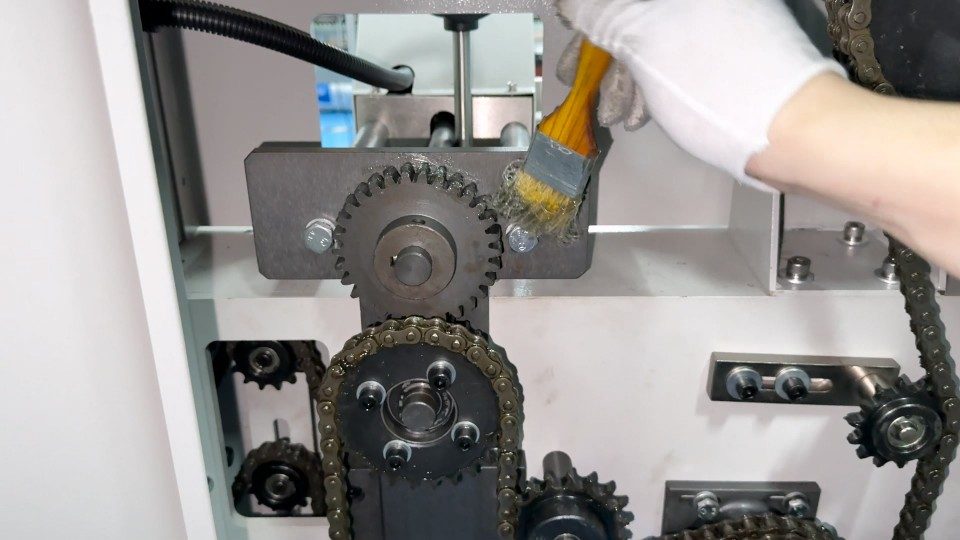
Việc bảo trì cụ thể cho từng máy phải tuân theo hướng dẫn sử dụng của OEM và các quy trình đã được phê duyệt tại cơ sở. Các lĩnh vực sau đây là những ví dụ phổ biến.
Các điểm kiểm tra quan trọng bao gồm:
Cần kiểm tra dụng cụ xem có vết trầy xước, hư hỏng cạnh, mòn bất thường hoặc bị kẹt hay không. Các rãnh cam, con lăn, vòng bi và các bộ phận truyền động cần được kiểm tra độ mòn, tiếng ồn hoặc tình trạng thiếu bôi trơn.
Bôi trơn tự động có thể cải thiện độ đồng nhất của chất bôi trơn, nhưng các máy bơm, đường ống, mức chất bôi trơn và các điểm cấp liệu vẫn cần được kiểm tra.
Hút bụi và làm kín cũng rất quan trọng vì bột dược phẩm có thể lọt vào vòng bi và các khu vực cơ khí, làm tăng độ mòn.
Các điểm bảo trì phổ biến bao gồm:
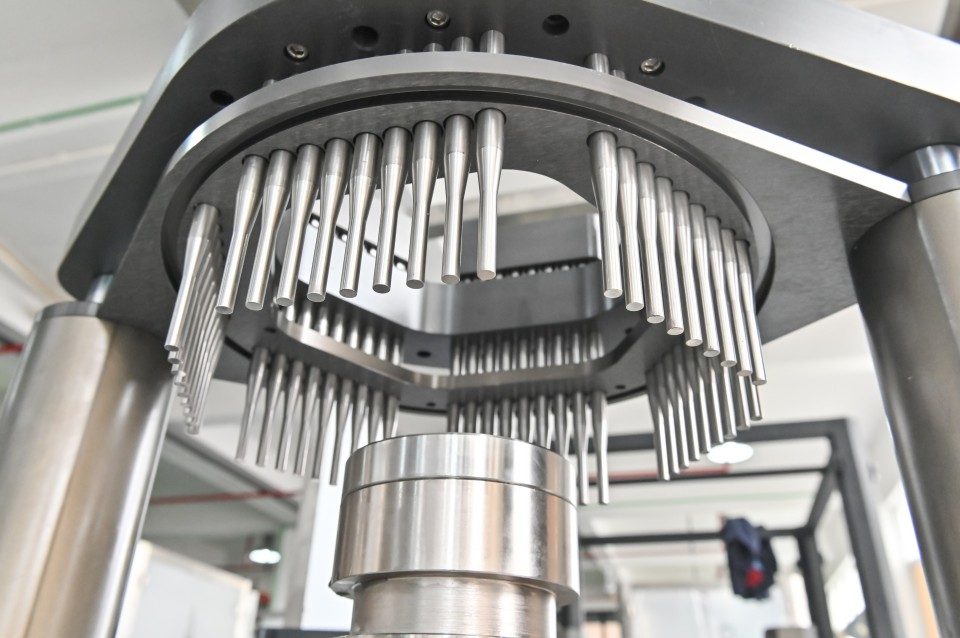
Cần kiểm soát sự tích tụ bột xung quanh các cơ cấu chiết rót và chuyển động. Các bộ lọc chân không, phớt, đường ống và máy bơm cũng cần được kiểm tra vì chân không không ổn định có thể ảnh hưởng đến việc tách nang và hiệu suất của máy.
Ở những nơi sử dụng cao su nitrile (NBR), silicone hoặc các loại phớt khác để cách ly vòng bi khỏi bột, hãy kiểm tra chúng xem có bị mòn hoặc rò rỉ không.
Các khu vực quan trọng bao gồm:
Các dụng cụ tạo hình và hàn kín cần được giữ sạch sẽ và kiểm tra độ mòn. Các bộ phận gia nhiệt và bộ điều khiển nhiệt độ cần được kiểm tra theo các quy trình bảo trì và hiệu chuẩn đã được phê duyệt.
Các cảm biến quang điện và bề mặt hệ thống thị giác cũng cần được vệ sinh thường xuyên vì bụi hoặc cặn bẩn có thể gây ra các vấn đề về phát hiện.
Đối với máy đếm viên nén, hãy kiểm tra các máng rung, cảm biến, bộ phận tách, băng tải và hệ thống khí nén.
Đối với các dây chuyền đóng chai, hãy kiểm tra xích, nhông, thanh dẫn chai, cân kiểm tra, máy đóng nắp, máy dán màng nhôm, máy dán nhãn và các cảm biến.
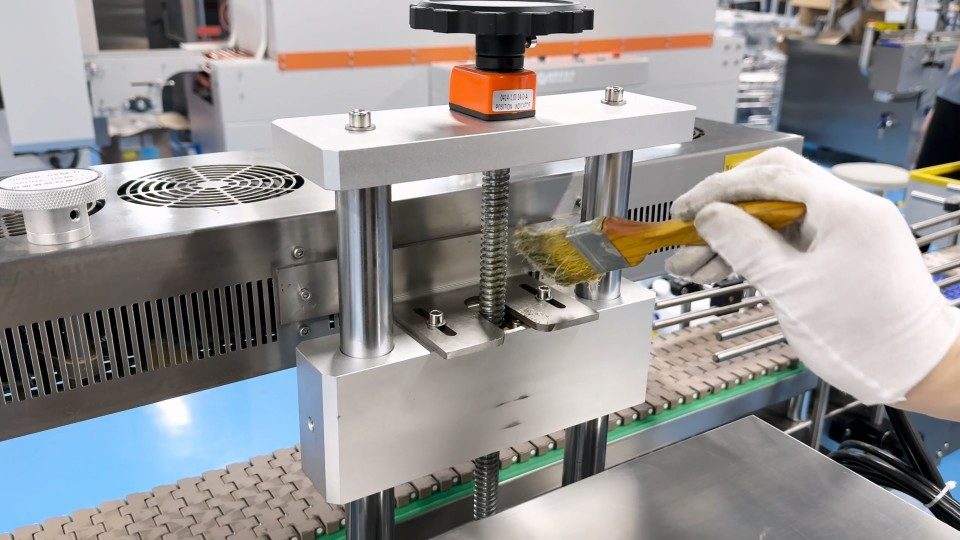
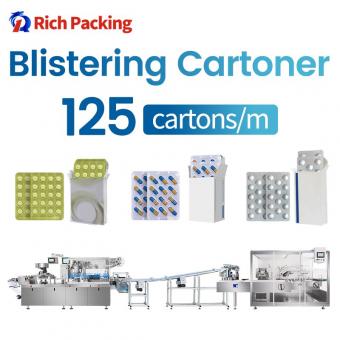
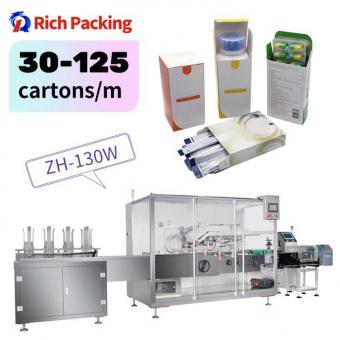
Đối với máy đóng hộp, các khu vực bảo trì phổ biến bao gồm bộ truyền động xích, vòng bi, bộ hút chân không, khay chứa hộp, cam, dây đai, thanh dẫn và cảm biến điện.
Bốn hoạt động này phục vụ các mục đích khác nhau.
|
Hoạt động |
Mục đích chính |
Ví dụ |
|
Vệ sinh |
Loại bỏ cặn sản phẩm hoặc chất gây ô nhiễm |
Vệ sinh phễu hoặc đĩa định lượng |
|
Bảo trì |
Duy trì hoặc khôi phục độ tin cậy của máy móc |
Bôi trơn cam hoặc thay thế gioăng |
|
Hiệu chuẩn |
Xác minh độ chính xác của phép đo |
Hiệu chuẩn đồng hồ đo áp suất |
|
Đánh giá |
Xác nhận thiết bị phù hợp với mục đích sử dụng |
Thực hiện các hoạt động IQ/OQ/PQ |
Các hoạt động này có thể tương tác với nhau.
Ví dụ, việc bảo trì cảm biến áp suất có thể yêu cầu hiệu chuẩn lại. Việc thay thế một linh kiện điều khiển quan trọng có thể yêu cầu đánh giá xem có cần thực hiện thêm các hoạt động đánh giá hay không.
Hồ sơ bảo trì phải cho phép người đánh giá hiểu được những gì đã được thực hiện và liệu thiết bị có phù hợp để đưa trở lại sử dụng hay không.
FDA 21 CFR 211.67 yêu cầu các quy trình vệ sinh và bảo trì bằng văn bản cùng các hồ sơ liên quan. Đối với thiết bị lớn, 21 CFR 211.182 cũng cung cấp các yêu cầu đối với nhật ký vệ sinh, bảo trì và sử dụng thiết bị.
Các hồ sơ điển hình bao gồm:
Nếu một lỗi hoặc việc sửa chữa bị trì hoãn có thể ảnh hưởng đến chất lượng sản phẩm hoặc hoạt động đã được thẩm định, thì vấn đề đó cần được đánh giá thông qua quy trình sai lệch hoặc điều tra thích hợp.
Việc bảo trì không tự động yêu cầu phải hiệu chuẩn lại hoặc đánh giá lại.
Nhu cầu này phụ thuộc vào:
Quyết định cần tuân theo các quy trình đã được phê duyệt, kiểm soát thay đổi và quản lý rủi ro chất lượng.
Hệ thống quản lý bảo trì bằng máy tính (CMMS) có thể lập lịch công việc, lưu trữ lịch sử bảo trì, quản lý phụ tùng thay thế và ghi lại kết quả kiểm tra.
Khi hồ sơ hoặc chữ ký điện tử được sử dụng để đáp ứng các yêu cầu về hồ sơ theo quy định của FDA, cần đánh giá khả năng áp dụng của 21 CFR Part 11.
Hồ sơ điện tử cũng cần tuân thủ các biện pháp kiểm soát tính toàn vẹn dữ liệu hiện hành và duy trì dấu vết kiểm tra rõ ràng.
Chương trình bảo trì sẽ hoạt động hiệu quả hơn khi bản thân máy móc được thiết kế để dễ dàng kiểm tra và bảo dưỡng.
Dụng cụ dạng mô-đun và các bộ phận dễ tiếp cận giúp giảm bớt việc tháo lắp không cần thiết.
Dụng cụ dạng mô-đun → tháo dỡ dễ dàng hơn → kiểm tra và vệ sinh dễ dàng hơn → đưa máy trở lại hoạt động nhanh hơn.
Bôi trơn tự động có thể cung cấp dầu hoặc mỡ bôi trơn ổn định hơn.
Cung cấp chất bôi trơn có kiểm soát → bôi trơn ổn định hơn → giảm sự phụ thuộc vào việc bôi trơn thủ công.
Bản thân hệ thống bôi trơn vẫn cần được kiểm tra.
Các vòng đệm, nắp che và hệ thống hút bụi hiệu quả giúp ngăn bột xâm nhập vào vòng bi và các hệ thống cơ khí.
Ít bụi xâm nhập hơn → giảm nguy cơ nhiễm bẩn và mài mòn do ma sát → bảo trì dễ dàng hơn.
Các cảnh báo từ bộ điều khiển logic lập trình được (PLC) và giao diện người-máy (HMI) có thể giúp xác định tình trạng quá tải, lỗi bôi trơn, lỗi cảm biến hoặc các tình trạng bất thường của máy.
Chẩn đoán không thay thế cho việc kiểm tra vật lý, nhưng chúng có thể rút ngắn thời gian khắc phục sự cố.
Các khu vực làm việc thông thoáng, các bộ phận tiếp xúc với sản phẩm có thể tháo rời, các tiện ích dễ tiếp cận và hệ thống điện được sắp xếp khoa học giúp việc vệ sinh và bảo trì trở nên dễ dàng hơn.
Các máy móc dược phẩm của Rich Packing áp dụng các nguyên tắc bảo trì này thông qua các tính năng như dụng cụ dạng mô-đun, bôi trơn tự động, các khu vực máy dễ tiếp cận, các biện pháp kiểm soát bụi và chẩn đoán qua HMI.
Câu hỏi quan trọng khi mua hàng không chỉ là liệu máy có các tính năng này hay không, mà là liệu các kỹ thuật viên có thể dễ dàng kiểm tra, vệ sinh, điều chỉnh và thay thế các bộ phận trong quá trình sản xuất bình thường hay không.
Chương trình bảo trì thiết bị dược phẩm nên thay đổi khi dữ liệu vận hành tích lũy ngày càng nhiều.
Tập trung vào năm lĩnh vực:
Xu hướng hỏng hóc: Xác định các sự cố lặp đi lặp lại và các điều chỉnh thường xuyên.
Thời gian ngừng máy:Xem xét các sự cố ngừng máy lớn và xác định xem việc kiểm tra sớm hơn có thể phát hiện ra vấn đề hay không.
Phụ tùng thay thế:Sự gia tăng bất ngờ trong mức tiêu thụ vòng bi, phớt, bộ lọc hoặc chất bôi trơn có thể báo hiệu các vấn đề đang phát sinh.
Giám sát tình trạng:Sử dụng các xu hướng về độ rung, nhiệt độ, dòng điện động cơ, áp suất, chân không hoặc cảnh báo ở những nơi chúng mang lại giá trị.
Phản hồi từ người vận hành:Người vận hành thường nhận thấy tiếng ồn, nhiệt độ, độ rung hoặc hành vi bất thường của máy móc trước khi xảy ra hỏng hóc nghiêm trọng.
Các khoảng thời gian bảo trì cũng nên được xem xét lại khi điều kiện vận hành hoặc lịch sử thiết bị thay đổi.
Mục tiêu không phải là thực hiện bảo trì càng nhiều càng tốt. Mục tiêu là thực hiện đúng công việc bảo trì vào đúng thời điểm, dựa trên rủi ro của thiết bị và bằng chứng vận hành.
Việc bảo trì thiết bị dược phẩm kết hợp bảo trì phòng ngừa, giám sát tình trạng, hành động khắc phục, lập tài liệu và cải tiến liên tục để giữ cho máy móc sản xuất và đóng gói luôn đáng tin cậy và phù hợp với mục đích sử dụng.
Một chương trình bảo trì mạnh mẽ bắt đầu bằng việc xác định mức độ quan trọng của thiết bị và các dạng hỏng hóc, sử dụng hướng dẫn của OEM và lịch sử vận hành để thiết lập các khoảng thời gian bảo trì, đồng thời ghi lại các công việc quan trọng trong hệ thống chất lượng dược phẩm.
Việc vệ sinh, bảo trì, hiệu chuẩn và đánh giá trình độ cần được xác định rõ ràng nhưng phải phối hợp với nhau khi một hoạt động ảnh hưởng đến hoạt động khác.
Thiết kế máy móc cũng rất quan trọng. Các bộ phận dễ tiếp cận, dụng cụ dạng mô-đun, hệ thống bôi trơn được kiểm soát, khả năng cách ly bụi hiệu quả và các chẩn đoán hữu ích có thể giảm bớt nỗ lực bảo trì và giúp việc xác định các vấn đề đang phát sinh trở nên dễ dàng hơn.
Bằng cách kết hợp lịch trình bảo trì thiết bị dược phẩm dựa trên rủi ro với việc kiểm tra cụ thể cho từng máy, hồ sơ đáng tin cậy và thiết kế thân thiện với bảo trì, các nhà sản xuất có thể giảm thời gian ngừng máy không đáng có trong khi vẫn hỗ trợ sản xuất nhất quán và kiểm soát GMP.
Bảo trì thiết bị dược phẩm bao gồm kiểm tra, bôi trơn, điều chỉnh, sửa chữa, thay thế phụ tùng và giám sát tình trạng theo kế hoạch nhằm giữ cho thiết bị sản xuất và đóng gói luôn đáng tin cậy và phù hợp với mục đích sử dụng.
Không có tần suất bảo trì chung cho tất cả. Các khoảng thời gian nên xem xét các khuyến nghị của OEM, số giờ vận hành, mức độ quan trọng của thiết bị, tải trọng sản xuất, vật liệu được xử lý, lịch sử hao mòn và các kết quả bảo trì trước đó.
Danh mục kiểm tra nên bao gồm ID thiết bị, bộ phận, công việc cần thực hiện, tần suất hoặc yếu tố kích hoạt, người chịu trách nhiệm, ngày tháng, kết quả phát hiện, hành động khắc phục và phụ tùng thay thế nếu có.
GMP yêu cầu thiết bị phải được bảo trì phù hợp và được hỗ trợ bởi các quy trình và hồ sơ bằng văn bản. FDA 21 CFR 211.67 không quy định một tần suất bảo trì phòng ngừa duy nhất cho mọi loại máy.
Bảo trì phòng ngừa được thực hiện theo khoảng thời gian hoặc mức độ sử dụng. Bảo trì dự đoán sử dụng dữ liệu tình trạng thiết bị như độ rung, nhiệt độ, áp suất, dòng điện động cơ hoặc xu hướng cảnh báo để xác định thời điểm cần bảo trì.
Các hồ sơ điển hình bao gồm nhận dạng thiết bị, ngày bảo trì, công việc đã thực hiện, kỹ thuật viên, kết quả phát hiện, phụ tùng thay thế, các điều chỉnh, sai lệch và xác minh sau bảo trì.
Không phải tự động. Nhu cầu này phụ thuộc vào phạm vi công việc, mức độ quan trọng của các chức năng bị ảnh hưởng và tác động tiềm ẩn đối với chất lượng sản phẩm hoặc hoạt động đã được thẩm định.
Dụng cụ dạng mô-đun, các bộ phận dễ tiếp cận, hệ thống bôi trơn tự động, cách ly bụi, cấu trúc dễ vệ sinh, các tiện ích được sắp xếp khoa học và chẩn đoán có thể giảm bớt công việc thủ công và đơn giản hóa việc kiểm tra và khắc phục sự cố.
Một khoảng thời gian nên được xem xét lại khi số giờ vận hành, điều kiện sản xuất, kiểu hao mòn, lịch sử hỏng hóc, các khuyến nghị của OEM hoặc kết quả kiểm tra cho thấy khoảng thời gian hiện tại không còn phù hợp nữa.

29+ years in pharmaceutical machinery, covering capsule filling, tablet pressing, blister packaging, tablet and capsule counting, cartoning, GMP production, and overseas machine service.

E-mail : manager@richpacking.cn
Building D, No. 226, Beishan Qiaotou Street, Haizhu District, Guangzhou City, Guangdong Province, China


 Mạng IPv6 được hỗ trợ